Le Marathon des mots 2027 – Toulouse, France
What to expect in 2027
Le Marathon des mots is an international literature festival centred on books, authors, reading and live literary performance in Toulouse and the surrounding metropolitan area. The festival brings literature out of traditional bookshops and libraries and places it in theatres, cultural institutions, museums, universities, public spaces, independent bookshops and other partner venues.
The festival combines author meetings, readings, literary discussions, performances, concerts, workshops and special projects. Its programme is designed to connect writers and readers while also presenting literature through performance and other artistic forms.
The event is organised by Toulouse, le marathon du livre and works with Toulouse Métropole, cultural institutions, libraries, independent bookshops, universities and other partners. The festival also receives support from organisations including the Centre national du livre and Fondation La Poste.
Enjoy Your Event Stress-Free with France Travelo
Planning a trip around a festival, concert, cultural celebration, or business event in France can be time-consuming—finding tickets, accommodation, transport, and local information takes effort. FranceTravelo makes it easier by bringing the essential information and travel support together in one place.
A distinctive feature of the festival is the relationship between the book and the stage. The organisation has developed a literary creation programme that produces original performances and supports residencies involving several municipalities within Toulouse Métropole.
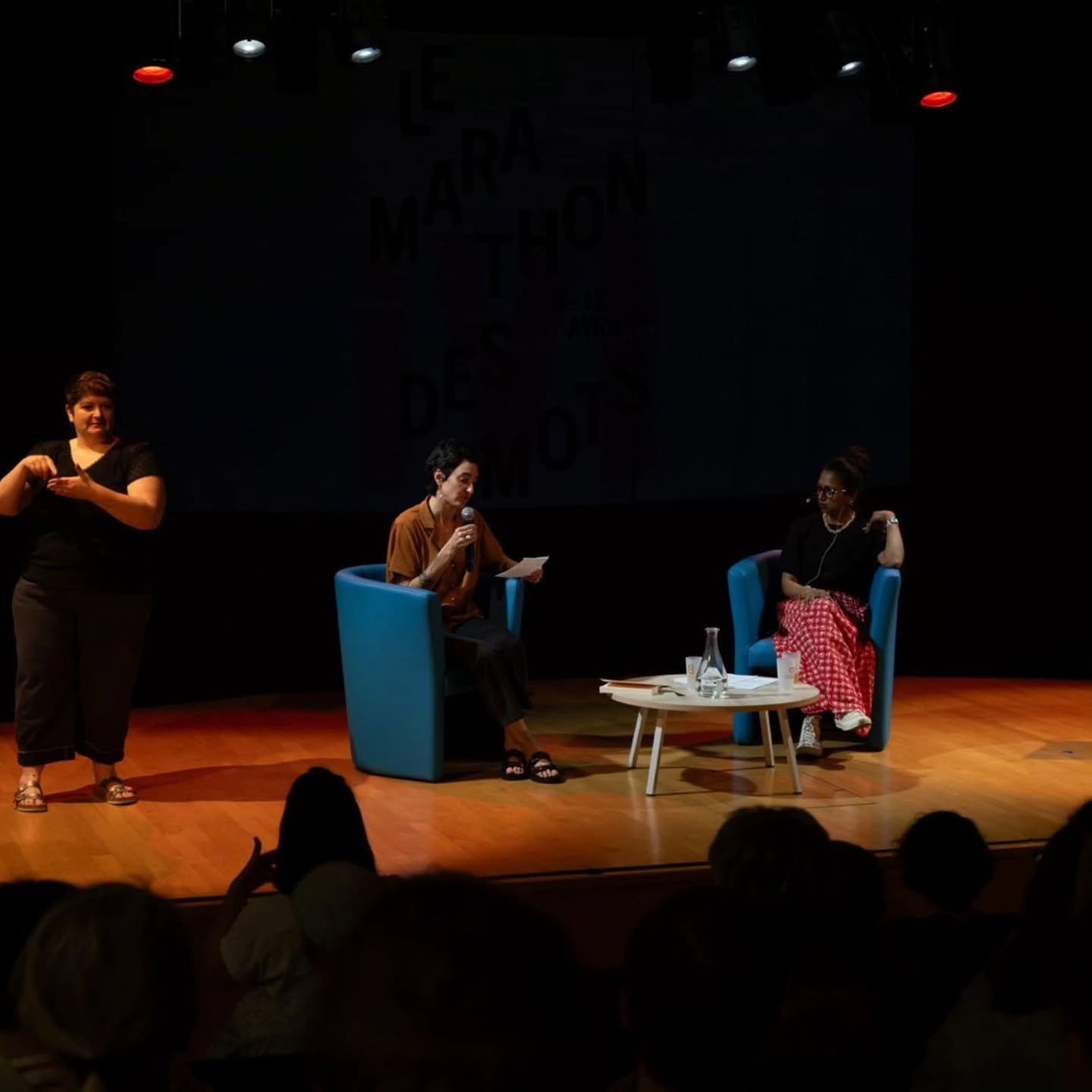
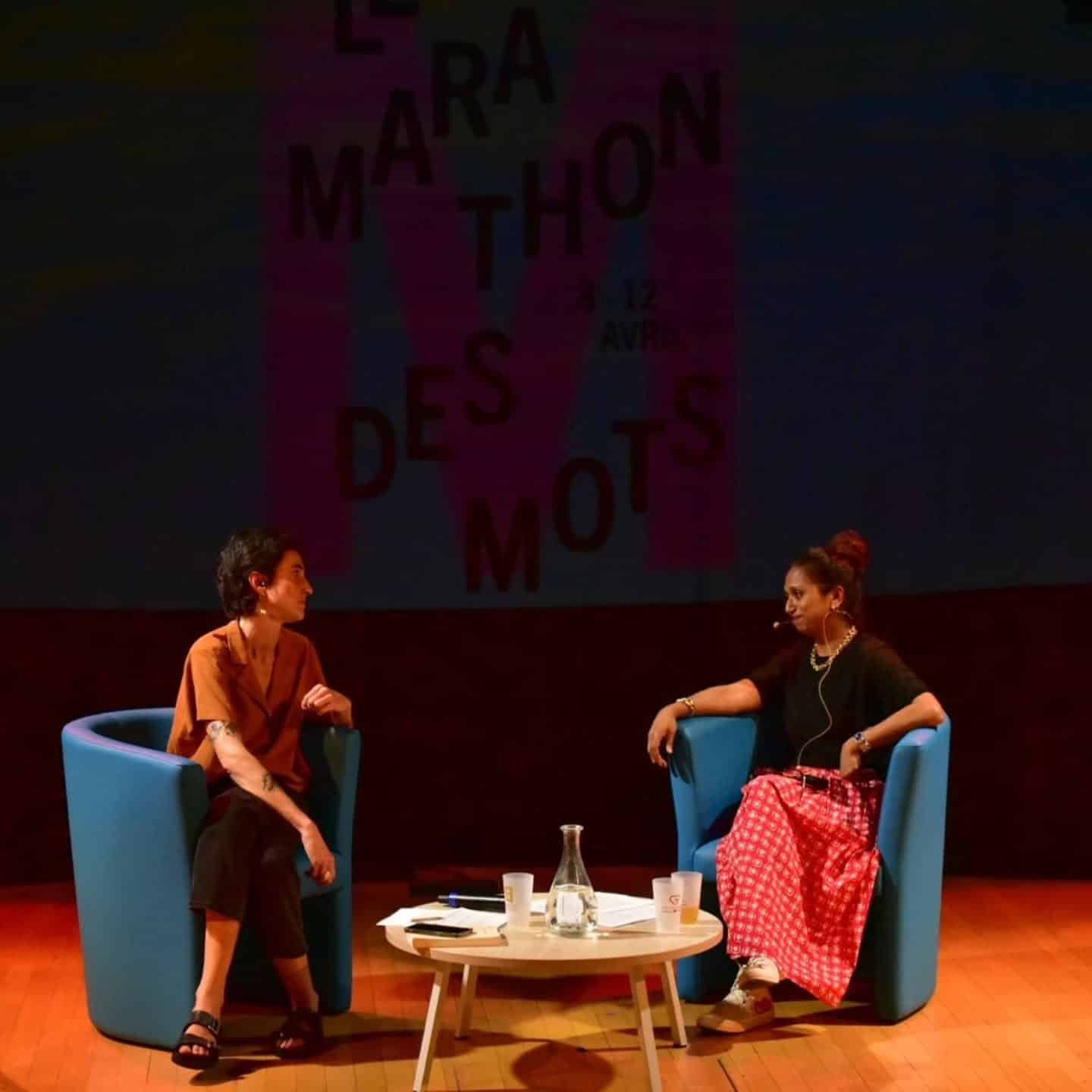
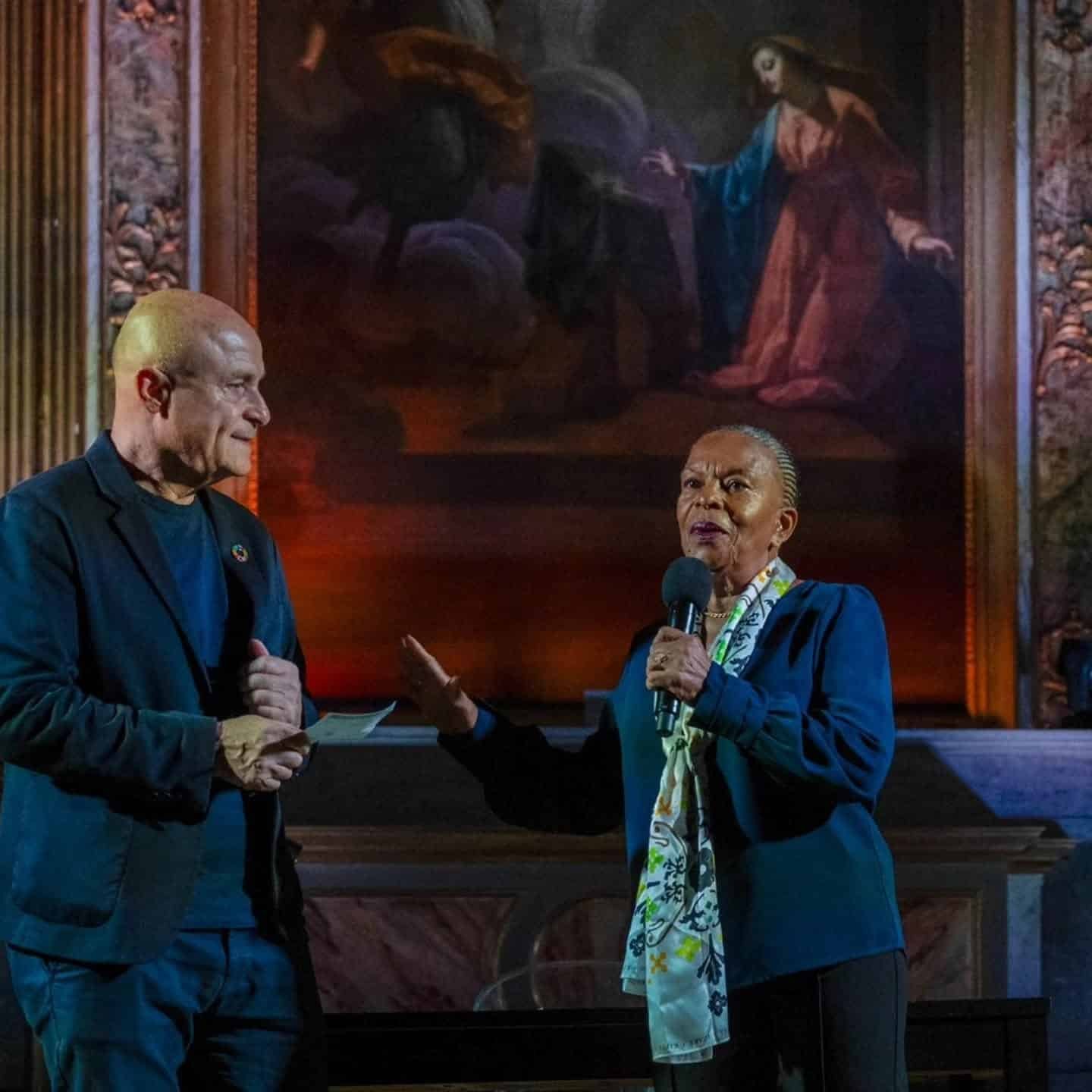
Visitors can therefore expect more than conventional author signings. A festival programme can include an actor reading a complete literary work, an author discussing a newly published book, a philosophical discussion, a musical reading, a literary concert, a writing workshop or a public conversation about major social and cultural questions.
The festival also has a strong regional dimension. Its activities extend beyond central Toulouse to municipalities across the metropolitan area and, depending on the programme, further into the Occitanie region.
Event dates
March 31 to April 4, 2027
The festival has officially announced this edition as its 23rd edition. The detailed programme, participating authors and complete booking schedule will be published by the organisers as preparations progress.
Visiting this event? Don’t miss out on these amazing activities and local experiences while you’re here.
Venue & performance locations
Le Marathon des mots does not operate from a single permanent festival venue. Instead, it uses a network of theatres, libraries, bookshops, museums, universities, cultural centres and public locations.
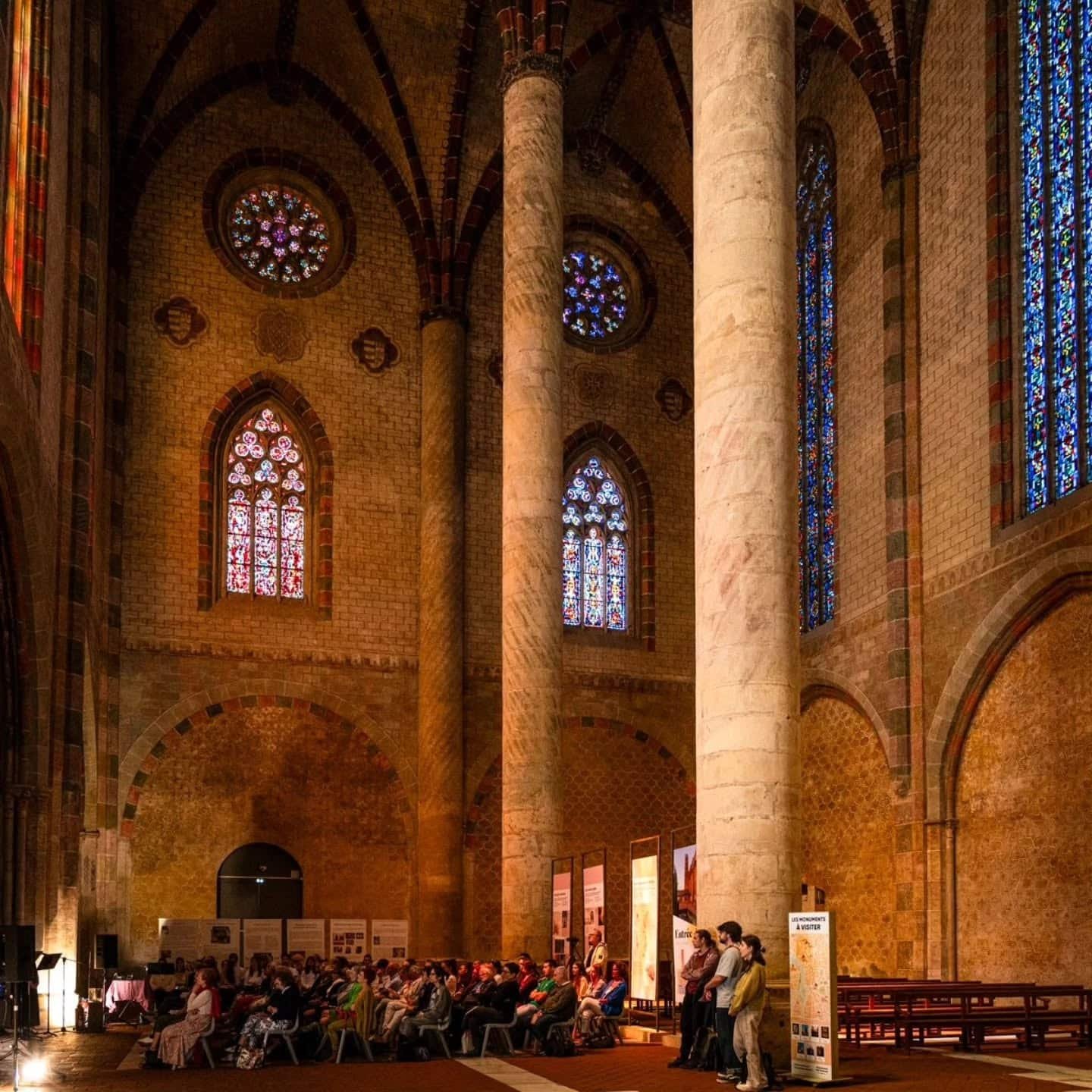
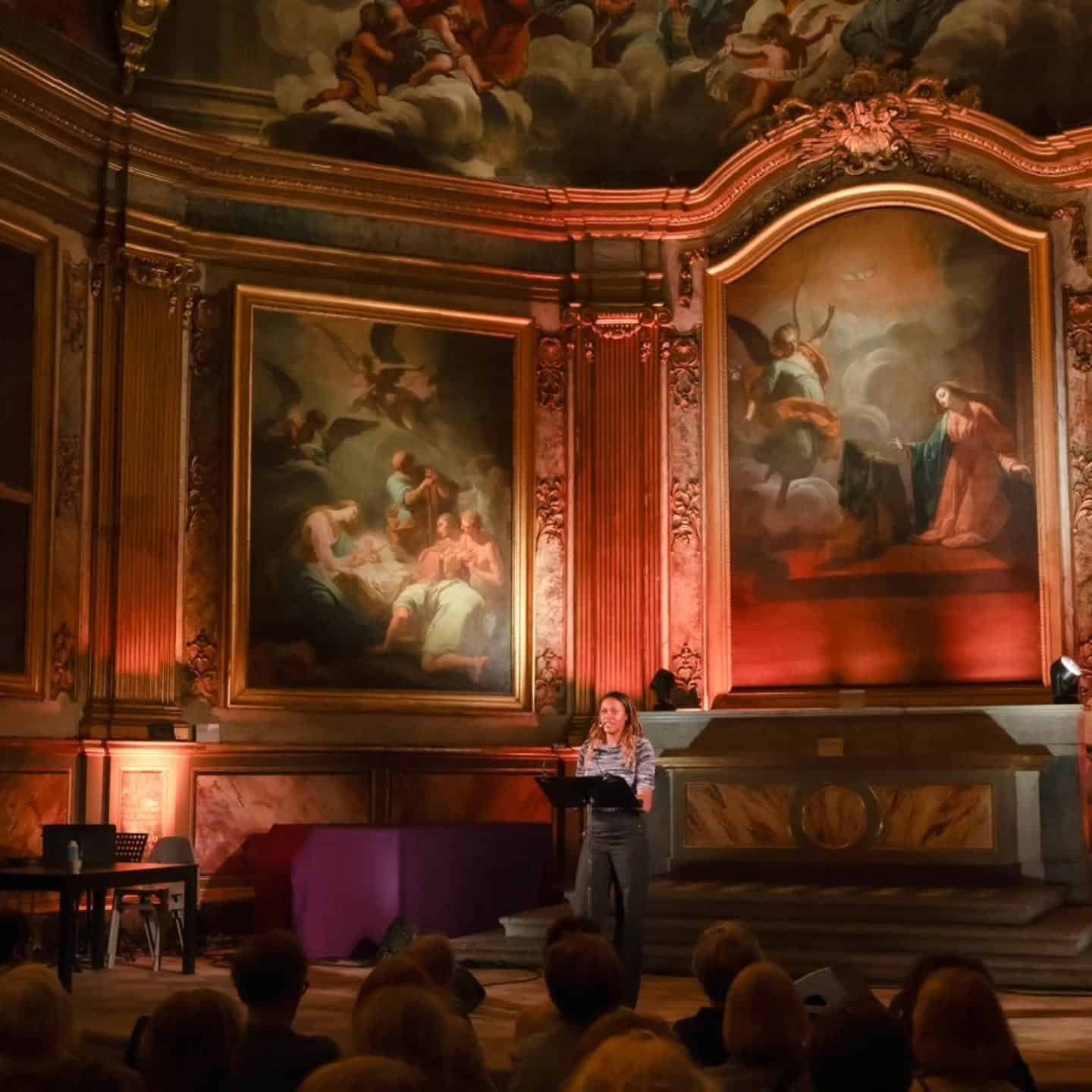
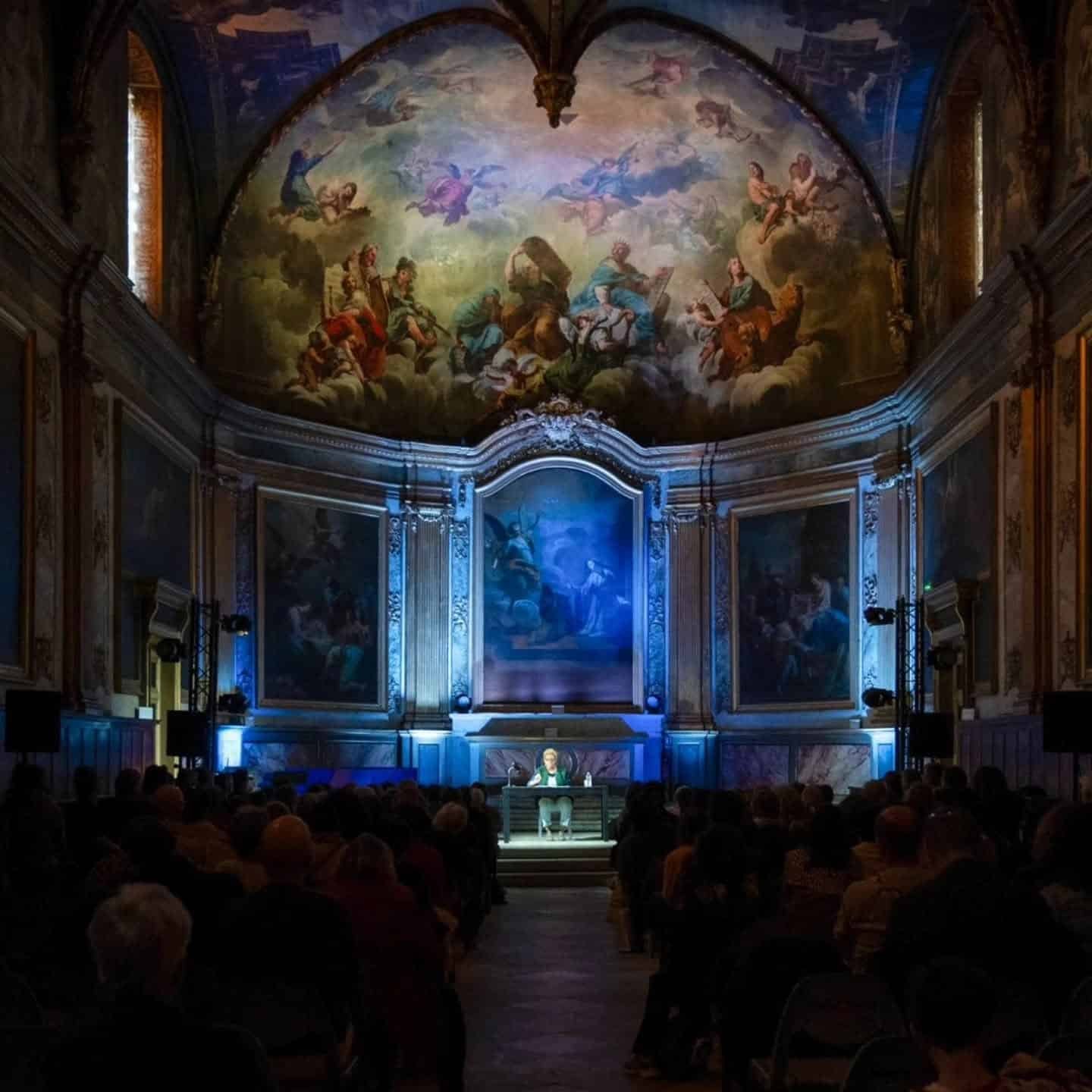
Recent official programmes demonstrate the breadth of this network. Locations have included ThéâtredelaCité, Théâtre Sorano, Halle de la Machine, Salle du Sénéchal, Chapelle des Carmélites, Hôtel d’Assézat, Musée des Arts Précieux Paul-Dupuy, Les Abattoirs, Librairie Floury Frères, Librairie La Renaissance and university facilities.
The festival’s official website provides individual venue pages and programme listings, allowing visitors to identify the location attached to each event.
This distributed format is an important part of the festival experience because visitors can combine literary events with Toulouse’s cultural institutions and historic locations.
The festival also works with libraries and independent bookshops throughout Toulouse Métropole. Its long-term project involves partnerships with the public reading network and local booksellers, creating a broad literary network rather than concentrating activity in one building.
Full programme
The complete programme for the upcoming edition has not yet been published. However, the organisers’ established programme structure provides a clear indication of the types of activities visitors can expect.
The festival’s programme can include:
- Author meetings and conversations
- Public readings
- Literary performances
- Musical readings
- Concerts
- Theatre and staged literature
- Writing workshops
- Children’s literary activities
- Philosophical discussions
- Round tables
- Book presentations
- Poetry
- Literary walks and unusual readings
- Educational projects
- International literature
- Projects involving libraries and independent bookshops
The current festival model demonstrates that literature is presented through several artistic formats. The organisation describes the meeting between the book and the stage as central to its cultural activity and supports literary creations that transform written works into live performances.
The programme also reaches audiences beyond conventional literary circles. Educational activities, youth projects and initiatives aimed at people who are distant from books are part of the organisation’s broader mission.
Featured authors & speakers
The final list of participating authors and speakers has not yet been announced for the upcoming edition.
The festival regularly welcomes writers from France and abroad, alongside journalists, philosophers, academics, artists, actors and specialists whose work connects literature with wider cultural questions.
Recent official programming has included internationally recognised writers such as Amélie Nothomb, Pierre Assouline, Fatou Diome, Christophe Ono-dit-Biot and Philippe Geluck. Other participants have included philosophers and academics such as Astrid von Busekist and Monique Canto-Sperber.
The festival also gives space to emerging authors and writers connected with literary prizes. Gabrielle de Tournemire, for example, appeared in a programme connected with the Prix Envoyé par La Poste.
International representation is another important element. Recent programming has included writers from Spain, Palestine, Ukraine and other literary backgrounds, alongside French authors.
The final author list should be checked against the official programme once released because participation can vary from one edition to another.
Publishers & exhibitors
Le Marathon des mots is not structured like a conventional commercial book fair with rows of publisher exhibition stands. Instead, publishers are connected to the festival through individual authors, book presentations, readings, partner bookshops and literary events.
Official programme pages identify publishers associated with particular books and events. Recent examples include Albin Michel, Gallimard, Flammarion, Stock, Grasset and La Cherche Midi.
Independent Toulouse bookshops also play an important role. The festival has established partnerships with local booksellers including Ombres Blanches, Privat, Floury Frères, La Renaissance, Le Chameau sauvage, La Tire-Lire and others.
These bookshops can host author meetings, readings and presentations, creating opportunities for visitors to encounter authors in a more intimate literary environment.
The wider partnership network extends to libraries and media libraries across Toulouse Métropole and the Occitanie region. This makes the festival’s book-related activity broader than a conventional publisher exhibition.
Book launches & presentations
Book presentations are an important part of the programme. Authors can appear to discuss newly published novels, essays, poetry collections, biographies and other literary works.
Recent programming has included meetings connected with new books by Amélie Nothomb, Fatou Diome and other established writers. Some events combine a conversation with an actor’s reading, creating a format that introduces the book through both discussion and performance.
Book presentations can also involve the publisher associated with the work. Official event pages identify the relevant publishing house, giving visitors useful information about where a featured book has been published.
Some literary events include opportunities for audiences to meet the author directly, while others are structured primarily as readings or staged adaptations.
Visitors interested in buying books should also look at the participating independent bookshops, which form an important part of the festival’s literary ecosystem.
Talks, panels & readings
Talks and panels cover literature as well as wider cultural, philosophical and social subjects.
Recent official programming has included discussions about democracy, freedom of expression, water resources, environmental questions, international affairs and the relationship between literature and contemporary society.
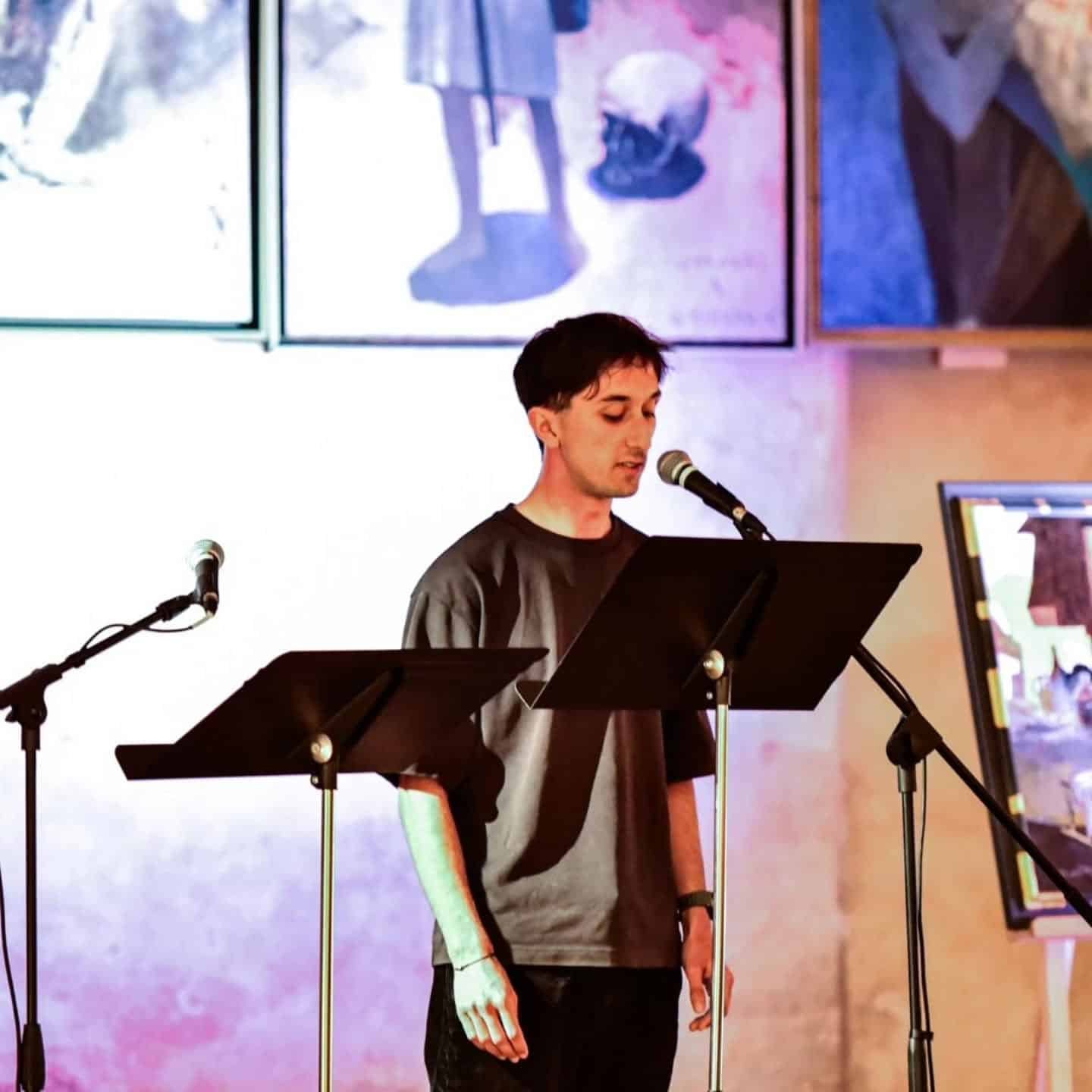
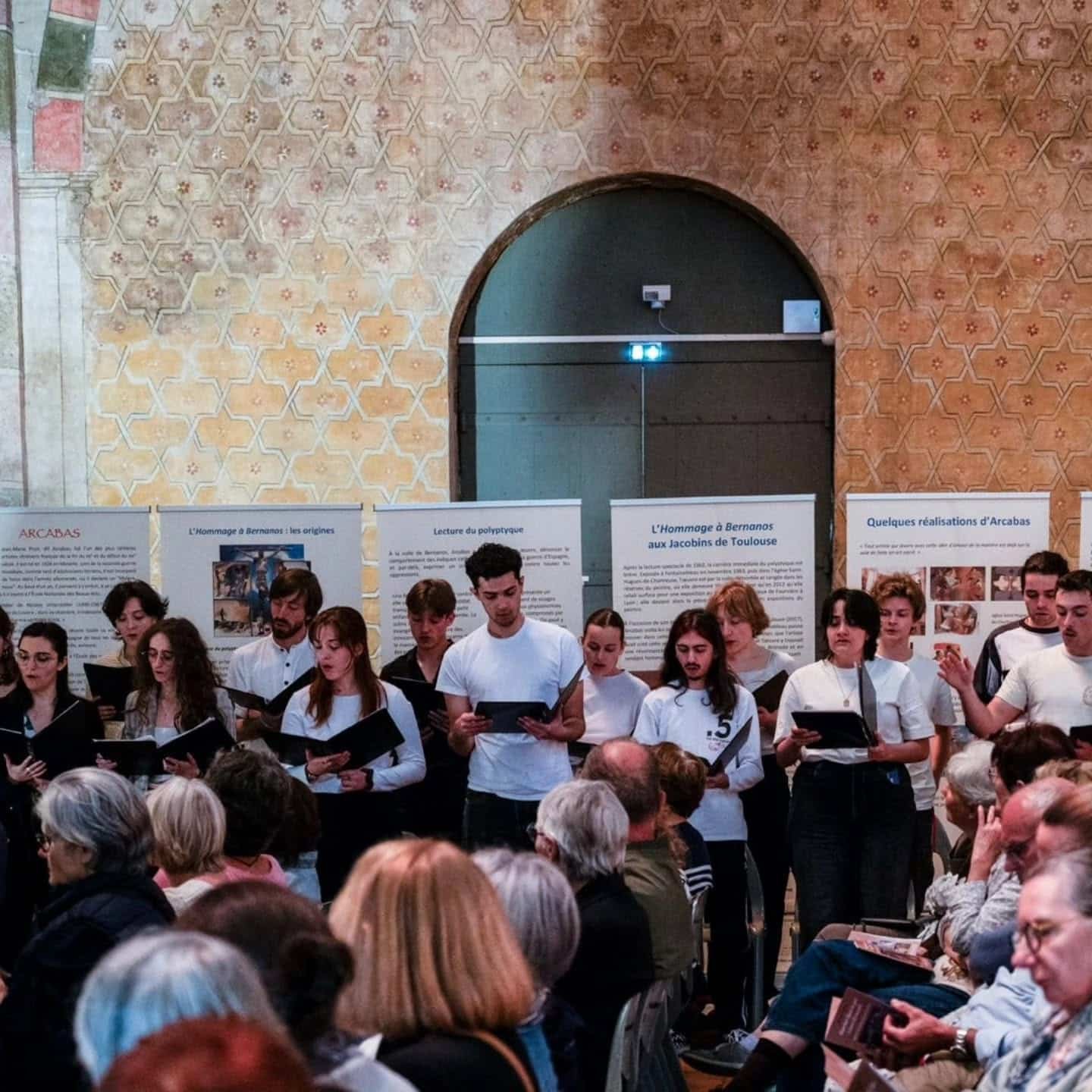
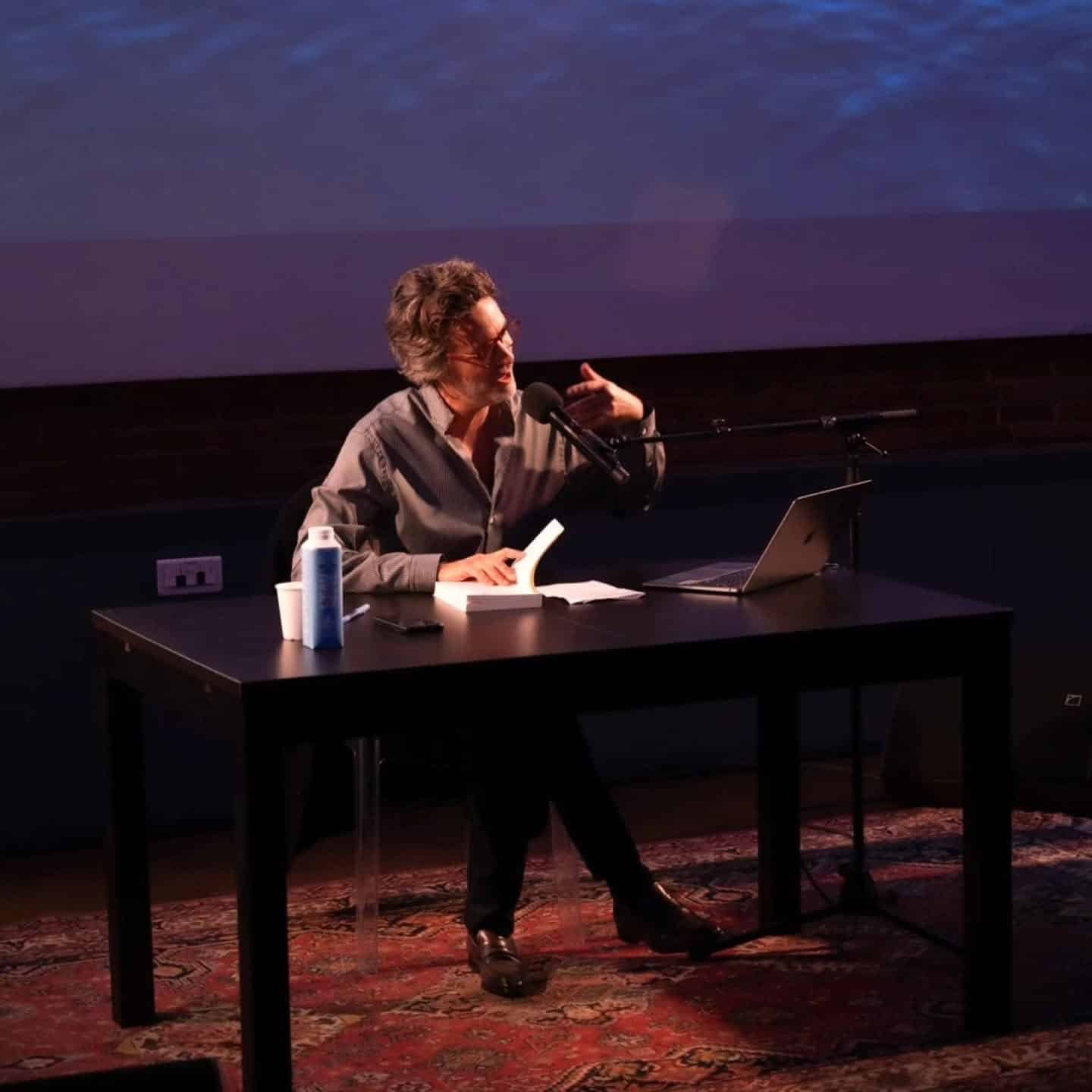
Readings form another major part of the festival. Professional actors and authors can read extracts or complete works, sometimes accompanied by music or followed by a conversation.
One example is the festival’s literary performance format in which an actor reads a major work before participating in a discussion with the audience.
The festival also organises philosophical discussions involving writers, philosophers and academics. These sessions provide a setting for audiences to hear different perspectives on questions that extend beyond literary criticism.
Because the programme covers multiple formats, visitors can choose between traditional author conversations and more theatrical or interdisciplinary experiences.
Ticket types & visitor access
Ticketing varies according to the individual event. The official programme identifies whether a session is free, paid or requires advance reservation.
Recent official listings have included paid literary events at different ticket levels, as well as events marked free admission.
Examples from the published programme include:
- Paid literary events: approximately $11 to $17 USD for several standard sessions
- Lower-priced readings: approximately $11 USD
- Higher-priced special readings and encounters: approximately $17 USD
- Free events: $0 for selected concerts, discussions and public activities
These figures are converted from the festival’s published previous-edition prices using an approximate EUR/USD conversion and are provided as historical guidance rather than confirmed prices for the upcoming edition.
The festival also states that cinema screenings use the admission prices charged by the relevant cinema venue.
Visitors should check each individual event page because admission conditions differ according to the venue and programme format.
Professional & industry access
Le Marathon des mots has a substantial professional dimension involving publishers, authors, booksellers, cultural institutions, libraries, journalists and literary organisations.
Professional activity is supported by the festival’s partnerships with publishers and independent bookshops, while the organisation also works with cultural institutions and public reading networks.
The festival’s press and professional contacts allow media representatives and industry participants to communicate directly with the organisation.
Authors participating in the festival are professionally remunerated according to the applicable provisions of the Centre national du Livre and the public-reading charter adopted by the municipalities of Toulouse Métropole.
This professional framework demonstrates that the festival operates not simply as a public reading event but as a structured literary organisation connecting creation, publishing, cultural institutions and audiences.
Event rules
The festival’s practical information provides several important rules for visitors.
- Online booking: Online reservations can be made until two hours before the beginning of a session when tickets remain available.
- On-site booking: Remaining tickets can be purchased at the venue’s box office before the event.
- Free reservations: Reserved free tickets that are not collected shortly before the event can be returned to people waiting on site.
- Doors: Doors generally open before the beginning of a scheduled event.
- Punctuality: Readings, meetings and concerts begin at the time shown on the ticket.
- Late arrival: Latecomers are not accepted into venues after the beginning of the relevant session.
- Venue rules: Visitors must follow the individual rules of each partner venue.
Because the festival uses many different locations, additional rules may apply at particular theatres, museums, libraries or cultural venues. Visitors should check the event page before attending.
How to get there
Toulouse is served by international air connections, high-speed and national rail services, Metro lines, buses and trams.
The official festival information identifies Toulouse-Blagnac Airport as the principal airport serving the city. An airport shuttle provides a connection between the airport and Toulouse.
For rail travellers, Toulouse Matabiau is the city’s principal railway station. The station is connected to the Metro network, making it possible to continue to festival locations by public transport.
Because events are spread across the city and metropolitan area, visitors should check the individual venue page rather than assuming every programme location can be reached in the same way.
The festival’s official practical information provides transport guidance and directs visitors to Tisséo for local Metro, bus and tram connections.
Public transport & parking
Tisséo operates the public transport network serving Toulouse and its metropolitan area. The festival states that its Toulouse venues are served by Metro, bus and tram services.
Visitors should use the specific transport information attached to each venue because the programme can involve locations across different parts of the city.
The festival also recommends parking services for visitors travelling by car. INDIGO parking facilities are promoted as an option near several festival locations.
Car-sharing is another option supported by the festival’s practical information. The organisation points visitors toward Citiz for shared vehicles that can be used between different festival venues.
For individual locations, the official venue pages can provide more precise information about nearby parking and transport. For example, the Metronum page identifies the Metro Line B connection, multiple bus services, bicycle facilities and parking on site.
Accommodation areas
Visitors can stay in central Toulouse to remain close to many of the festival’s principal cultural venues.
Areas around the historic centre provide convenient access to theatres, bookshops, libraries, museums and restaurants. Staying close to Metro or major bus connections is particularly useful because the festival uses multiple venues rather than one central site.
Visitors attending events outside central Toulouse may prefer accommodation with easy access to the Metro network or major road connections.
Those planning to attend several literary activities can also choose accommodation based on the programme’s venue distribution once the complete schedule is released.
Food & refreshments
Toulouse offers a broad range of cafés, restaurants and food services throughout the city, allowing visitors to combine festival events with meals and refreshments.
The festival itself is primarily focused on literature, readings, discussions, performances and cultural activities. Refreshment arrangements therefore vary according to the venue.
Some events take place in bookshops, museums, libraries and cultural centres where visitors can use nearby cafés and restaurants before or after sessions.
The festival has also worked on an eco-responsible approach to catering, including an emphasis on short food-supply chains in its wider organisational practices.
Visitors attending several sessions should allow enough time between events because moving between venues can involve crossing different parts of Toulouse and its metropolitan area.
Accessibility
Accessibility and inclusion are part of the festival’s wider cultural mission.
The organisation states that it provides adapted reception for spectators with reduced mobility, with or without specific assistance. During performances, reception is supported by volunteer venue teams.
The festival has also developed initiatives intended to reach audiences who are distant from books and reading. These projects involve partnerships with associations, schools, libraries and cultural organisations.
Accessibility therefore extends beyond physical access and includes cultural and educational initiatives designed to broaden participation.
Because the festival uses many different venues, visitors with specific accessibility requirements should check the individual venue arrangements before booking. The accessibility facilities available at one location may differ from another.
Best sessions & events to attend
The most suitable events depend on the type of literary experience a visitor wants.
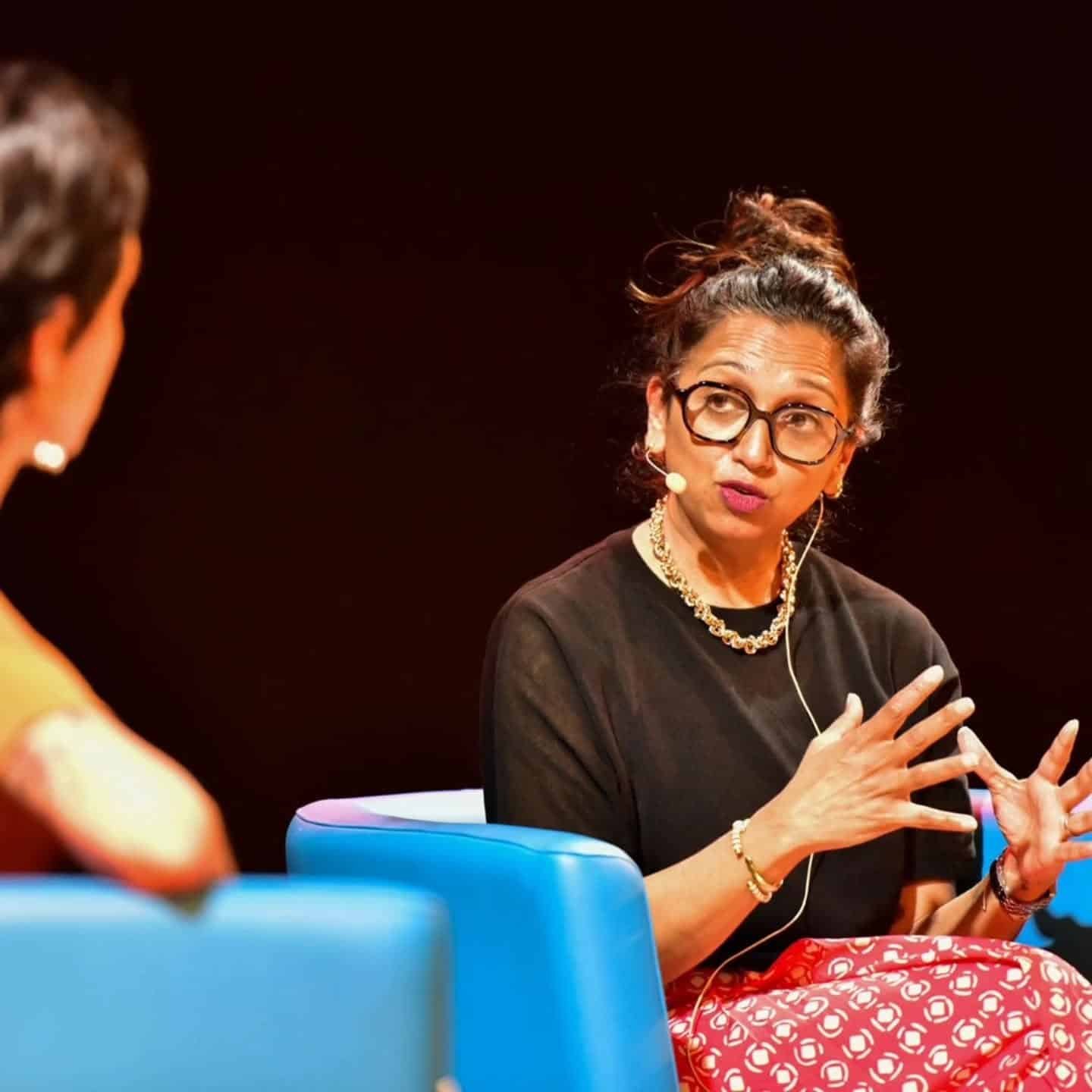
For traditional author encounters, look for meetings where writers discuss their latest books directly with readers. These sessions provide opportunities to hear authors explain their ideas, writing processes and literary themes.
For a more theatrical experience, literary readings performed by actors are particularly relevant. Recent programming has included professional actors presenting complete works or substantial extracts, sometimes followed by audience discussion.
Visitors interested in philosophy and current affairs can look for the festival’s discussion and round-table formats. These bring writers together with academics, researchers, journalists and specialists.
Music lovers can also find concerts and musical readings. The festival frequently connects literature with sound, performance and other artistic forms.
Families should look for youth programming, creative workshops and literary activities designed for younger audiences.
Visitors who want to experience the festival beyond traditional indoor venues can also look for unusual readings and projects connected with public transport, public spaces and city locations.
Previous year’s highlights
The most recent completed programme demonstrated the festival’s broad literary and cultural scope.
Amélie Nothomb was among the headline literary guests, appearing for a public encounter connected with her latest novel and a reading performed by Natacha Régnier.
Philippe Geluck participated in a literary event connected with Jean-Michel Djian’s book about Pierre Desproges, combining reading and conversation.
Pierre Assouline appeared for an author meeting and also participated in a large public dictation format. His programme demonstrates how the festival can move between traditional literary conversation and participatory events.
The programme also included Fatou Diome, whose work was presented through a reading by actor Ysanis Padonou, while Gabrielle de Tournemire participated in readings and meetings connected with her prize-winning debut novel.
Classical literature and major works also featured through performances such as Éric Ruf’s reading of Jules Verne, presented with a creative stage concept involving the machines of Halle de la Machine.
The programme extended into science and public debate through discussions about water resources, involving researchers, writers, environmental specialists and other experts.
The festival also presented international literature through its country focus on Spain and its programme dedicated to writers creating under censorship, exile, threats or political pressure.
Official tickets & registration
Official tickets and reservations are handled through Le Marathon des mots’ own website.
Online booking is available for participating events when sales open. The official practical-information page states that online reservations can remain available until two hours before the beginning of a session when seats are still available.
Remaining places may also be offered at venue box offices before sessions. Payment at on-site box offices is by bank card according to the festival’s published information.
Free events may still require reservations. Visitors who reserve a free ticket but do not collect it shortly before the event may lose the reservation because the place can be released to people waiting at the venue.
The official programme should always be consulted for the admission conditions of each individual event because the festival includes both free and paid activities.
Official contact details:
Phone: +33 5 61 99 64 01
Email: contact@lemarathondesmots.com
Official website: https://www.lemarathondesmots.com/
Tickets Sell Out
in Minutes
Maps
Contact
Video
FAQ's
What is Le Marathon des mots?
Le Marathon des mots is an international literature festival based in Toulouse that brings authors, readers, actors, artists, publishers and cultural institutions together. Its programme includes author meetings, readings, literary performances, concerts, discussions and workshops. The festival also develops projects designed to make literature accessible to younger audiences and people who are less connected with books.
Where does Le Marathon des mots take place?
The festival uses a large network of venues rather than one permanent location. Activities can take place in theatres, museums, libraries, independent bookshops, universities, cultural centres and public spaces throughout Toulouse and the surrounding metropolitan area. Visitors should check the individual programme listing for the exact venue of each event.
What types of events are included in the festival?
The programme combines traditional literary meetings with readings, performances, concerts, philosophical discussions, round tables, workshops and youth activities. Some events focus on newly published books while others connect literature with music, theatre, science, history or contemporary social questions. The variety allows visitors to build a programme around particular literary interests.
Does Le Marathon des mots include free events?
Yes, the festival programme includes both free and paid activities. Official programme listings identify free events clearly, while individual paid events display their applicable admission information. Some free activities may still require advance reservation because seating can be limited.
How can visitors reserve tickets for Le Marathon des mots?
Reservations are made through the festival's official website when booking opens for individual events. Remaining places can also be offered at venue box offices before sessions, subject to availability. Visitors should check each programme page because booking requirements and admission arrangements can differ between events.