
Salomon EcoTrail Paris 2027 – France
What to expect in 2027
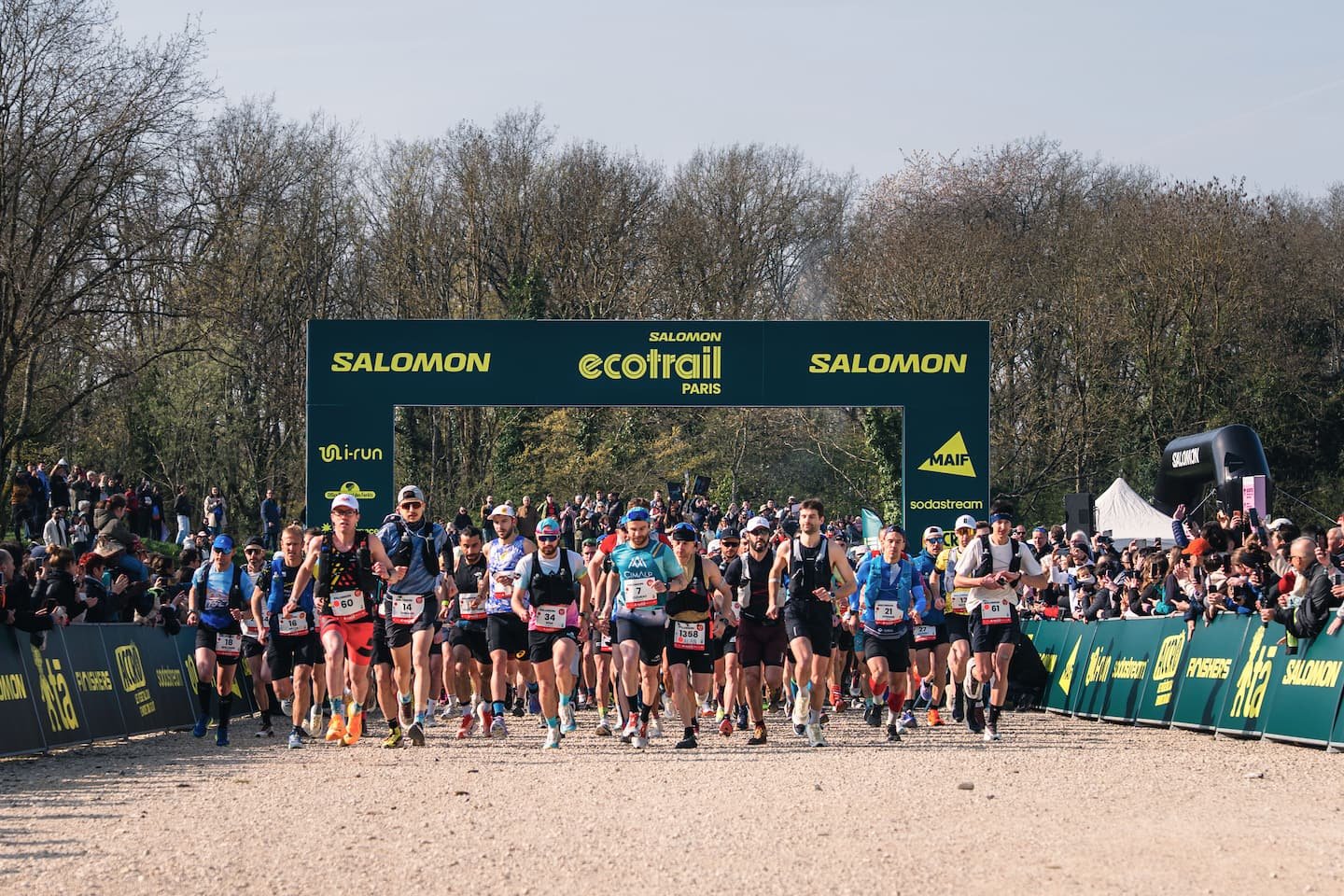
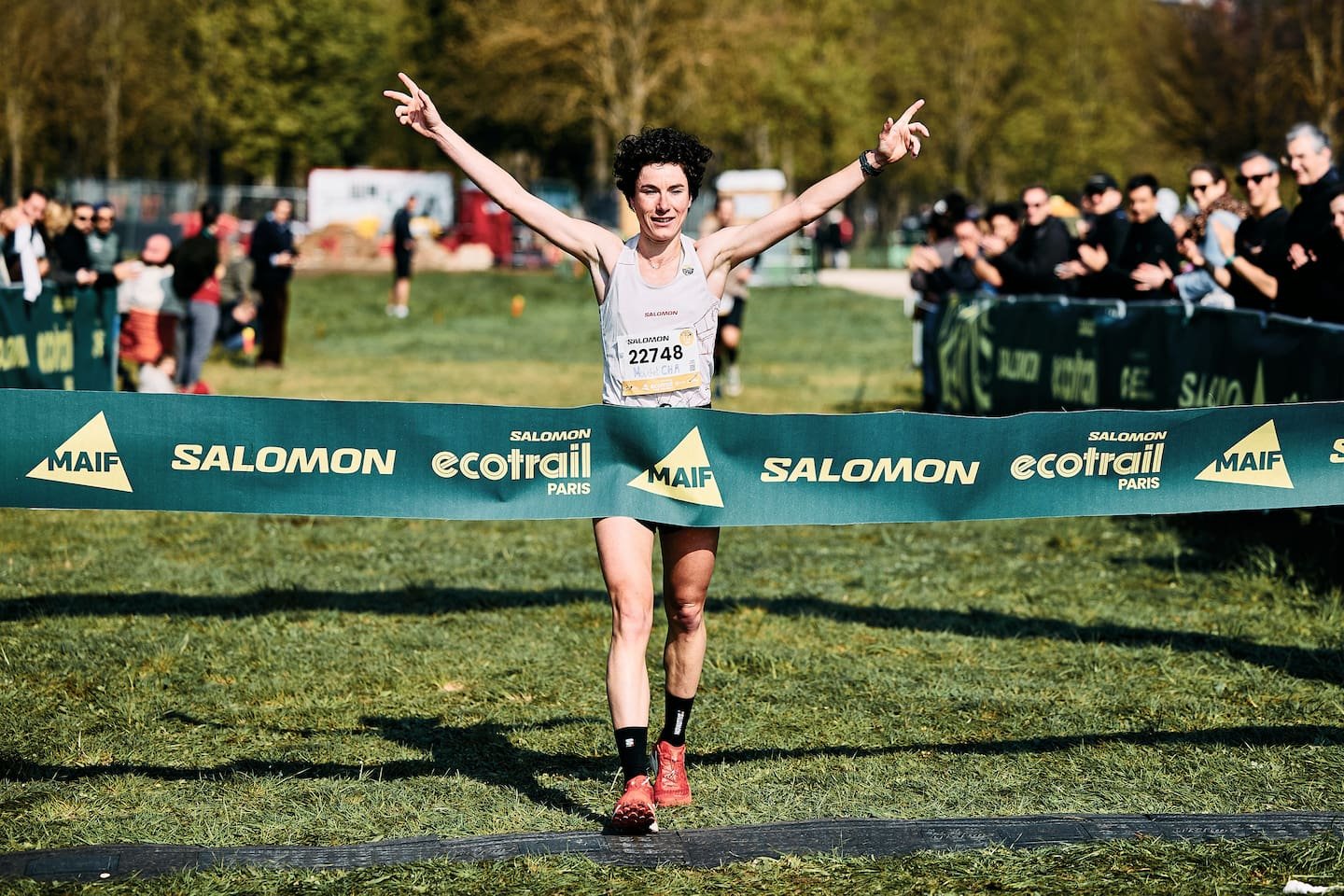
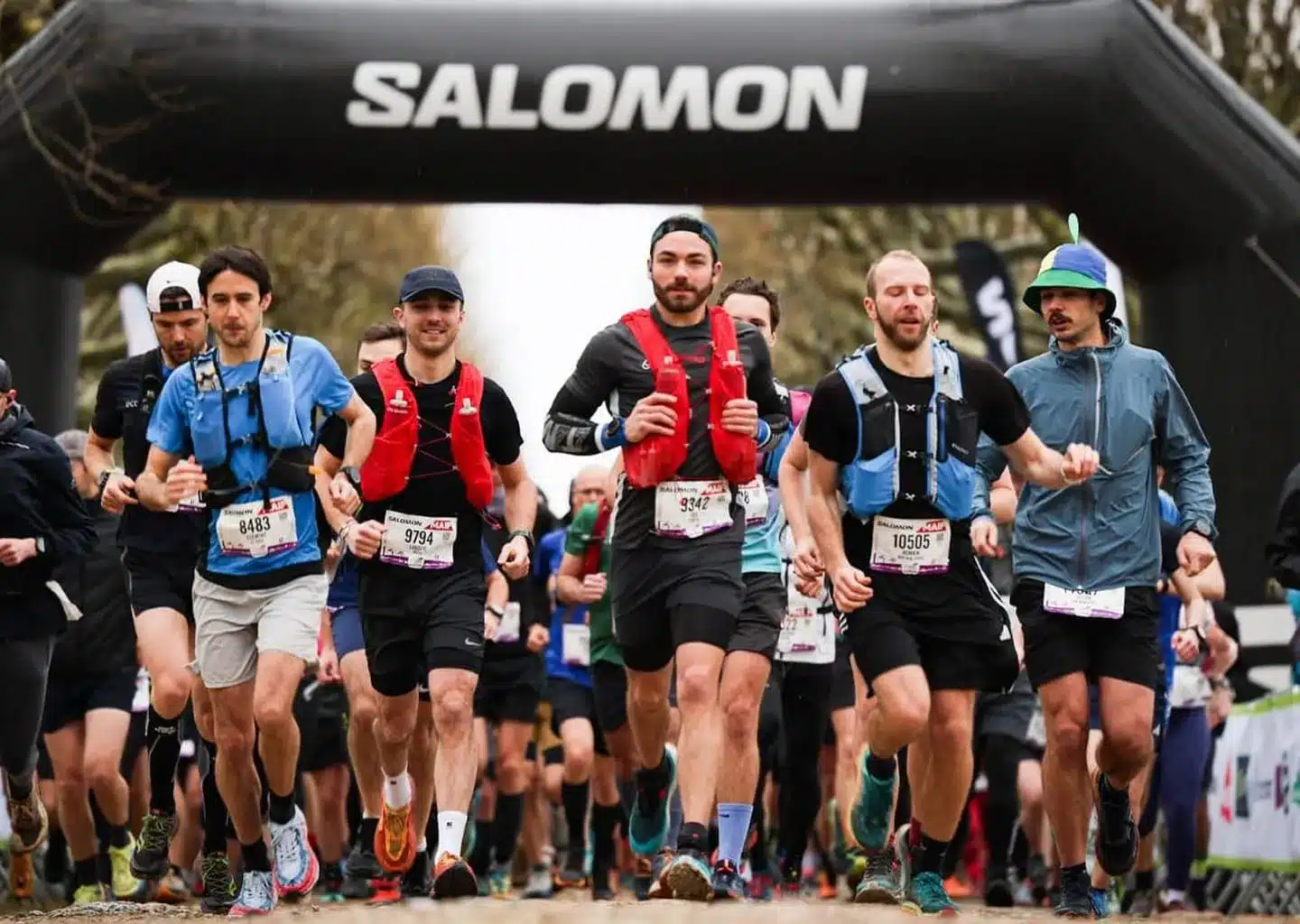
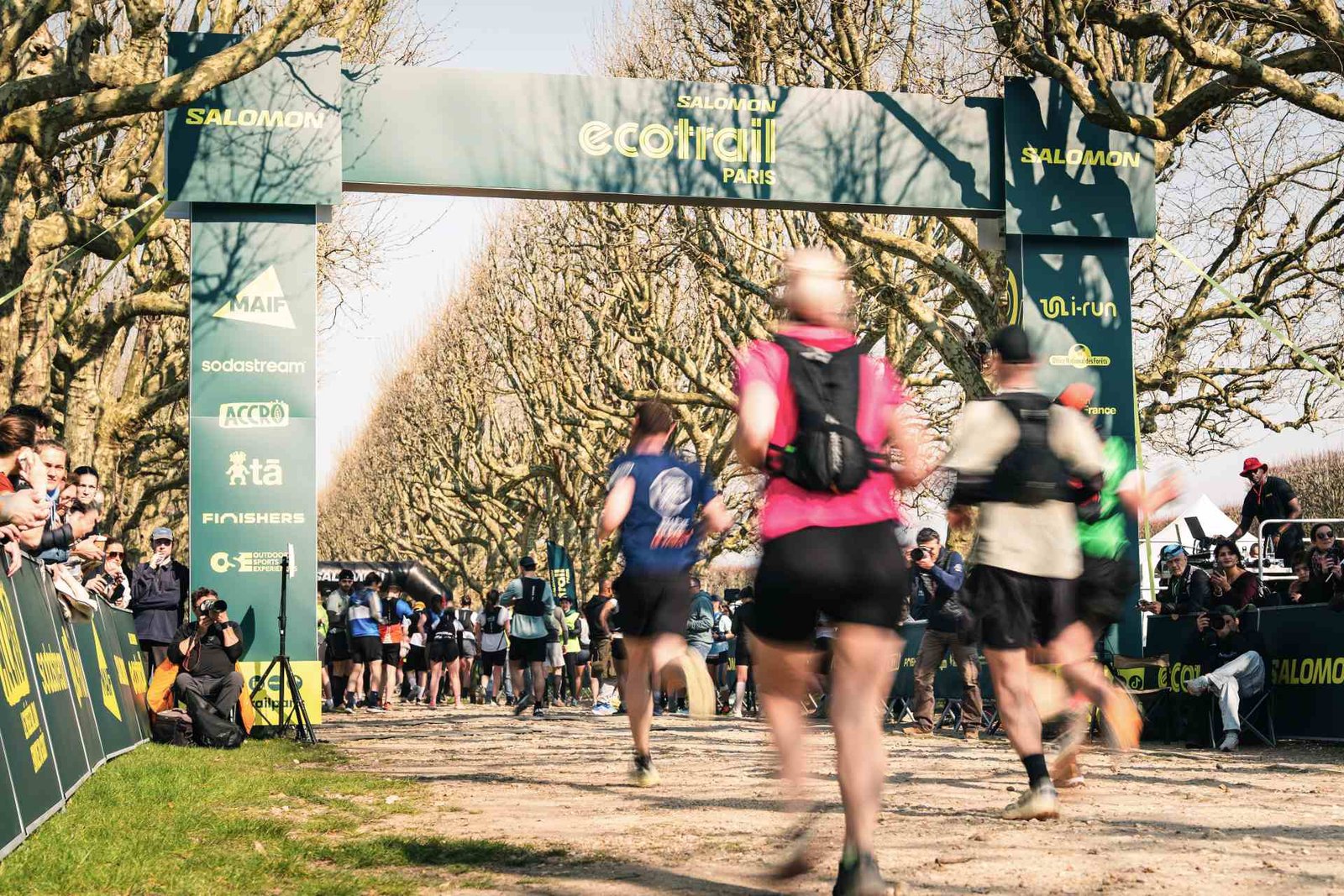
Salomon EcoTrail Paris is a major trail-running event in the Île-de-France region, combining long-distance running, forest trails, historic estates and iconic Paris landmarks. The event is designed around an eco-responsible approach and offers several different trail formats, allowing both experienced ultra-runners and people discovering trail running to participate.
The Spring programme features seven trail distances: 120 km, 80 km, 45 km, 35 km, 30 km, 20 km and 10 km. The range creates a broad competition structure, from an ultra-distance challenge through the forests and hills of western Île-de-France to shorter introductory courses designed for runners discovering trail running.
The 120 km Trail is the newest ultra-distance format and is presented by the organizer as a major ultra reference in the Paris region. Its route crosses forests, hills and trails in western Île-de-France, including the Chevreuse Valley and areas associated with historic châteaux, before reaching Paris.
Enjoy Your Event Stress-Free with France Travelo
Planning a trip around a festival, concert, cultural celebration, or business event in France can be time-consuming—finding tickets, accommodation, transport, and local information takes effort. FranceTravelo makes it easier by bringing the essential information and travel support together in one place.
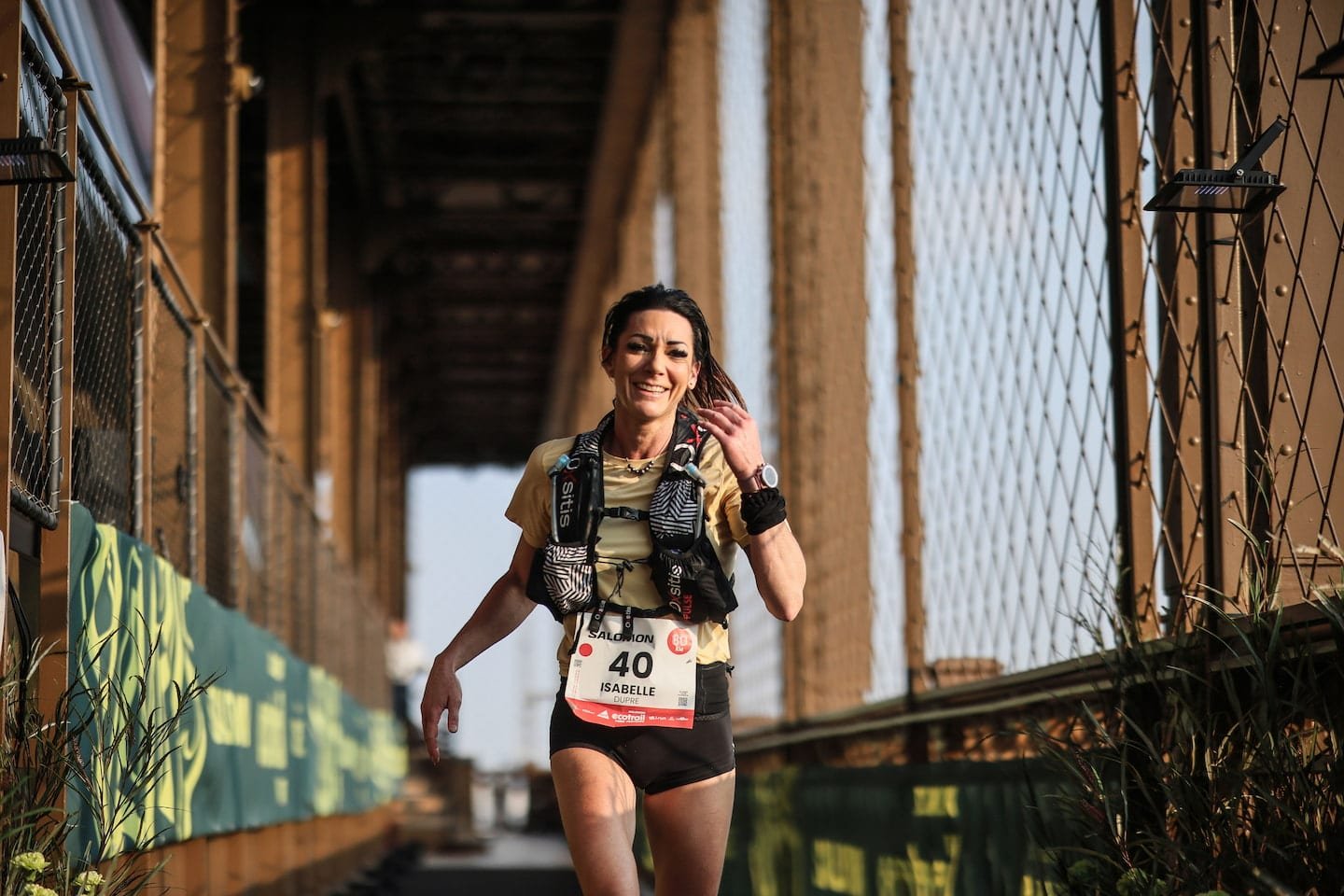
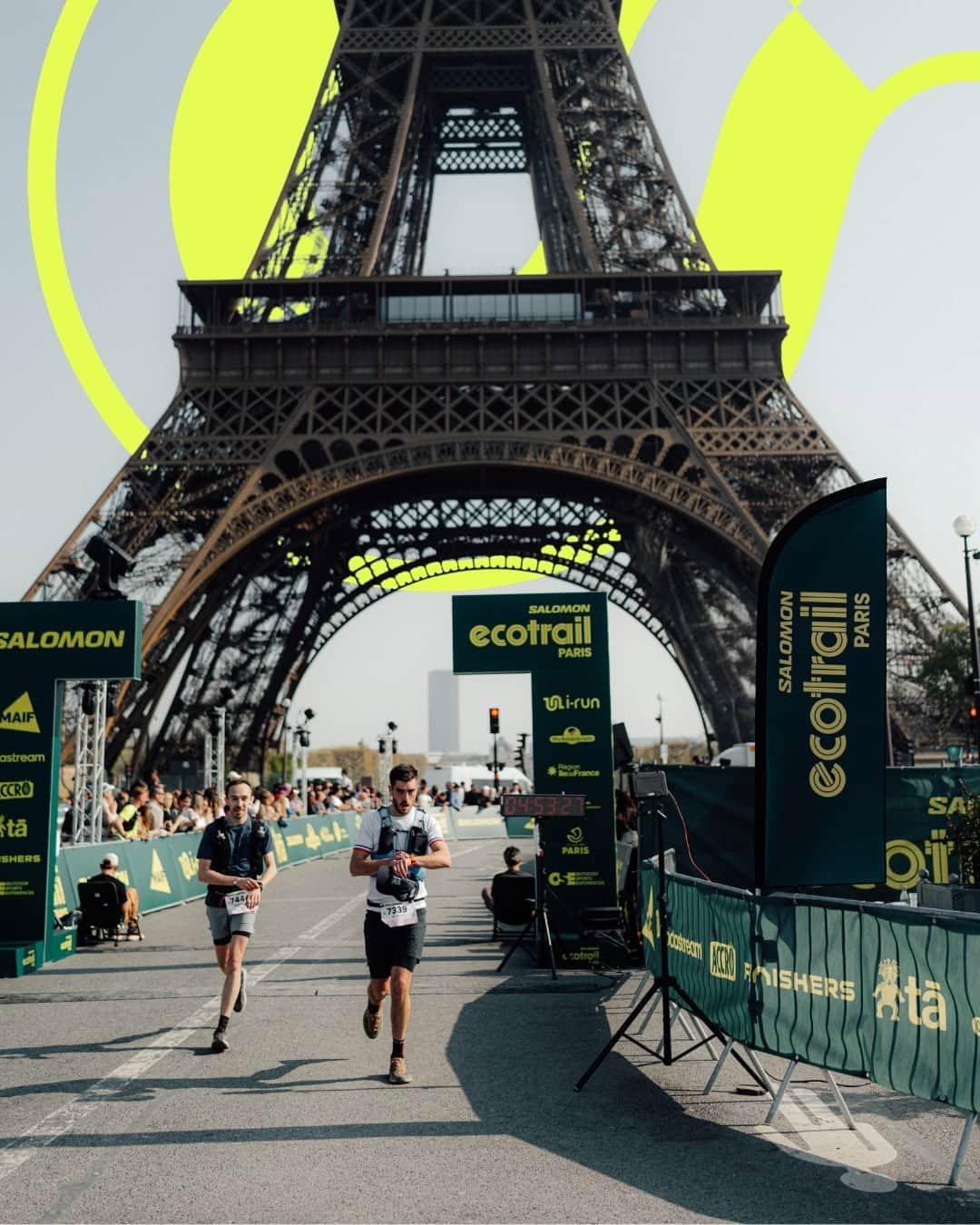
The 80 km Trail remains the historic signature distance of Salomon EcoTrail Paris. Its defining feature is the finish on the first floor of the Eiffel Tower, creating a distinctive transition from natural trails to one of the world’s best-known urban landmarks.
Shorter distances provide different levels of challenge. The 45 km course starts from the gardens of the Château de Versailles, while the 35 km, 20 km and 10 km races use areas around the Domaine National de Saint-Cloud and Meudon. The 30 km course starts at the Paris Observatory in Meudon and finishes at Pont d’Iéna.
The event therefore offers more than a conventional road race. Participants encounter forests, parks, estates, hills, heritage locations and sections of the Paris metropolitan landscape during their respective courses.
Match/event dates
The Salomon EcoTrail Paris Spring 2027 edition takes place on March 20-21, 2027.
The main schedule is divided across two days:
- March 20, 2027: 120 km Trail
- March 20, 2027: 80 km Trail
- March 20, 2027: 45 km Trail
- March 20, 2027: 30 km Trail
- March 21, 2027: 35 km Trail
- March 21, 2027: 20 km Trail
- March 21, 2027: 10 km Trail
The organizer has published the individual course information and starting locations for each distance on its official race pages.
Visiting this event? Don’t miss out on these amazing activities and local experiences while you’re here.
Stadium & sports venue
Salomon EcoTrail Paris does not use one conventional stadium because it is a point-to-point trail-running event spread across western Île-de-France and Paris.
Important race locations include:
- Château de Rambouillet for the 120 km start
- Colline d’Élancourt for the 80 km start
- Gardens of the Château de Versailles for the 45 km start
- Observatoire de Paris-PSL in Meudon for the 30 km start
- Domaine National de Saint-Cloud for the 35 km and 20 km starts
- Domaine National de Saint-Cloud for the 10 km course
- Pont d’Iéna for several Paris-area finishes
- First floor of the Eiffel Tower for the 80 km finish
The 80 km course is particularly distinctive because the organizer describes it as the historic distance of the event and gives it a finish on the first floor of the Eiffel Tower.
The event’s operational hub for bib distribution is the Centre Sportif Émile Anthoine, close to the Eiffel Tower area. The organizer provides runner information, roadbooks and course-specific transport instructions through the official event website.
Full fixture or event schedule
The Spring competition programme consists of seven trail races.
120 km Trail
The ultra-distance course starts at Château de Rambouillet and travels through western Île-de-France. The organizer highlights the forests, hills, trails and Chevreuse Valley as important parts of the route before the course reaches Paris and the Pont d’Iéna finish.
80 km Trail
The historic 80 km distance starts at Colline d’Élancourt and finishes on the first floor of the Eiffel Tower. The course combines natural terrain with heritage and urban landmarks.
45 km Trail
The 45 km course begins in the gardens of the Château de Versailles and finishes at Pont d’Iéna. The organizer positions it as a progression for runners moving from shorter trail distances toward medium-distance trail running.
35 km Trail
The 35 km course starts at Domaine National de Saint-Cloud and finishes at the Observatoire de Paris-PSL in Meudon. It features hilly trails and forest sections.
30 km Trail
The 30 km route starts from the terrace of the Observatoire de Paris-PSL in Meudon and finishes at Pont d’Iéna. The organizer describes this as its most popular distance.
20 km Trail
The 20 km course starts at Domaine National de Saint-Cloud and finishes at the Observatoire de Paris-PSL in Meudon. It is intended as an accessible introduction to trail running.
10 km Trail
The 10 km course starts and finishes at Domaine National de Saint-Cloud. It is designed specifically as an introduction to trail running and is the shortest Spring trail format.
Teams, athletes & participants
Salomon EcoTrail Paris is an individual trail-running competition rather than a team tournament. Participants register for individual distances and compete according to the regulations and categories established by the organizer.
The 80 km course has a maximum field of 3,000 participants, while the 45 km course has a maximum of 2,000. The event also publishes course-specific technical information such as elevation gain, time limits, UTMB qualification categories and historical finisher rates.
The 80 km race is listed as an UTMB qualifier across the 20K, 50K and 100K categories. The 45 km course carries the same UTMB qualification categories on its official course page.
The event welcomes runners with different levels of experience. The shorter distances are designed to introduce newcomers to trail running, while the 80 km and 120 km formats are aimed at runners seeking significantly longer endurance challenges.
The organizer also provides a corporate participation programme, allowing companies to enter teams and access corporate hospitality packages associated with selected race formats.
Tournament format & competition structure
The competition is structured around separate races rather than knockout rounds or head-to-head matches. Each participant completes the selected trail course against the clock.
Distances range from 10 km to 120 km, with different elevation profiles, time limits, starting points and finishing locations.
The longer courses require greater preparation and mandatory equipment. For example, the 80 km course requires runners to carry a minimum 1.5-litre water reserve, food reserve, drinking cup, headlamp, reflective armband, survival blanket, mobile phone and identification.
The 45 km and 35 km courses require a minimum 1-litre water reserve, food reserve, drinking cup, survival blanket, mobile phone and identification.
Course-specific regulations can also impose penalties when mandatory equipment is missing. Identification is particularly important because failure to provide it can result in disqualification.
The organizer provides official GPX tracks and roadbooks so participants can prepare for the terrain, logistics and course-specific arrangements.
Match/event times
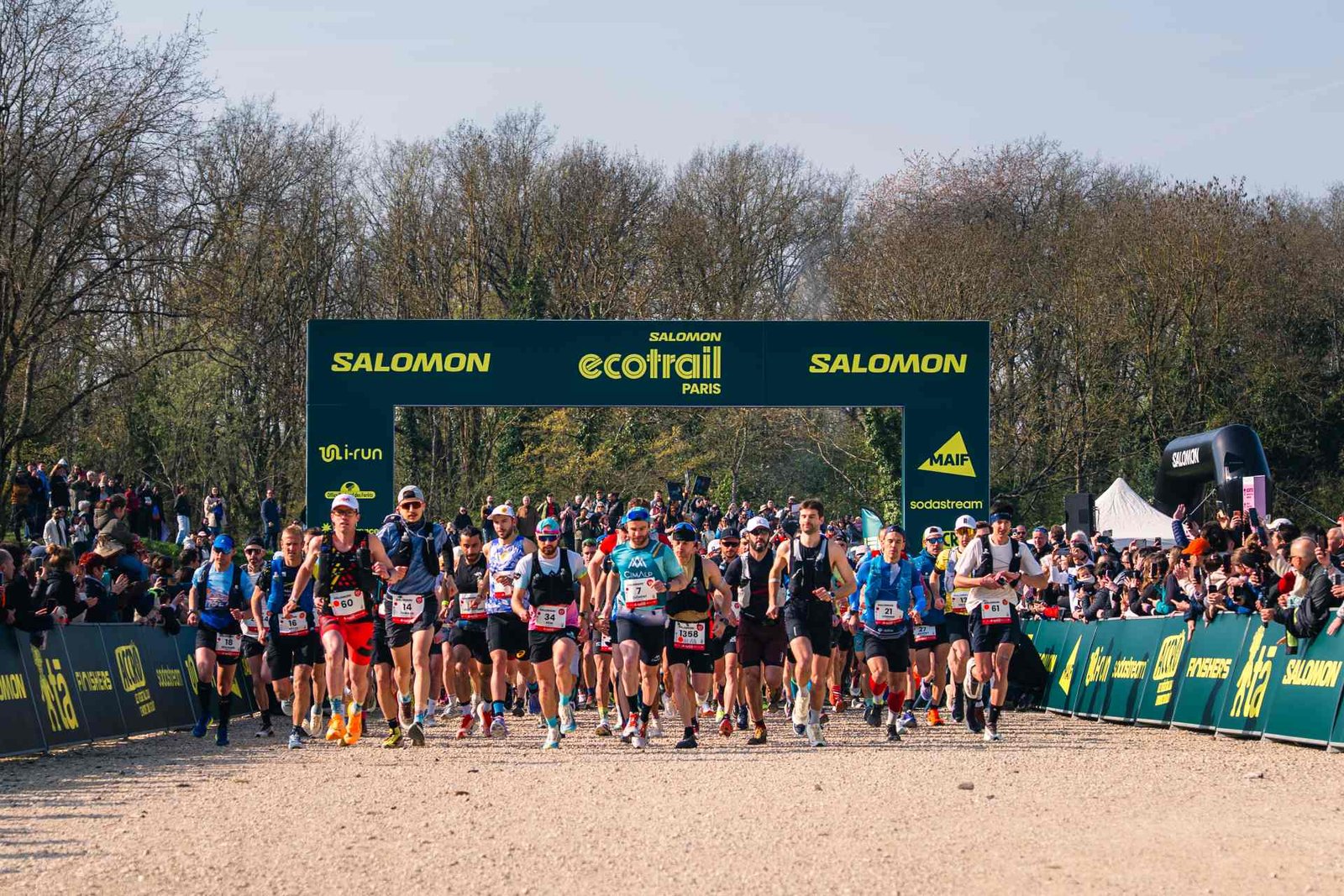
Starting times vary according to the distance and are organized in waves.
The official 120 km course information lists a start window of 9:00 a.m. to 9:15 a.m. The 80 km race has a start window between 10:30 a.m. and 10:55 a.m.
The 45 km race starts in waves between 10:00 a.m. and 10:15 a.m. The 35 km race also uses a 10:00 a.m. to 10:15 a.m. wave window.
The 20 km course has a start window from 8:30 a.m. to 9:00 a.m., while the 10 km race starts in waves from 10:30 a.m. to 10:45 a.m.
The organizer’s roadbook should be checked before travelling because wave assignments, access instructions and operational information can be updated closer to the event.
Ticket types
There are no spectator tickets in the traditional stadium-sport sense. Participants purchase registration places for individual trail races.
The main registration categories correspond to the seven Spring trail distances:
- 120 km Trail
- 80 km Trail
- 45 km Trail
- 35 km Trail
- 30 km Trail
- 20 km Trail
- 10 km Trail
The official event website currently provides direct registration links for the Spring programme. Some races may reach capacity before others, so availability should be checked through the organizer’s official registration system.
The event also offers corporate participation and hospitality packages for companies. These are separate from ordinary individual race registration.
Ticket release phases
The organizer uses pre-registration and registration stages. Its official website provides a Spring 2027 pre-registration option designed to notify runners when information and registration opportunities become available.
The official course pages currently display registration links for the Spring programme. Availability can differ by race, and the website identifies courses that have reached capacity.
A resale notification system is also linked on relevant race pages, allowing participants to receive information if an official resale system becomes available.
Because registration status can change as places are allocated, runners should use the official EcoTrail Paris registration link rather than relying on old third-party listings.
Entry prices for the Spring 2027 races are not displayed in the official race-page information currently available. No unverified price has been substituted for the official figure.
VIP & hospitality options
The event is primarily a participation-focused trail-running competition rather than a spectator hospitality event.
The organizer does, however, offer corporate participation packages. Its corporate programme specifically describes corporate hospitality packages connected with selected race formats.
For individual participants, the official race pages focus on race registration, bib collection, transport, course information, equipment requirements, refreshments and runner services rather than traditional VIP seating.
The most distinctive premium-style experience is naturally connected with the event’s iconic finishing locations, particularly the 80 km finish at the Eiffel Tower, although this should not be confused with a separate VIP ticket.
Any corporate or hospitality package should be checked through the organizer before purchase because inclusions can vary according to the package and race selected.
Stadium & event rules
Participants must comply with the official race regulations and mandatory equipment requirements for their chosen course.
Longer races have stricter equipment requirements because participants spend substantially more time on the course. The 80 km race requires a minimum 1.5-litre water reserve, food reserve, 15 cl minimum drinking cup, headlamp, reflective armband, survival blanket, mobile phone and identification.
The organizer specifies penalties for several missing items. Missing a drinking cup can result in a time penalty, while missing the headlamp, reflective armband, survival blanket or phone can also result in time penalties. Failure to provide identification can result in disqualification.
The 45 km and 35 km races similarly require water, food, a drinking cup, survival blanket, mobile phone and identification.
Participants should read the official regulations and the course-specific mandatory-equipment list before travelling to the event.
How to get there
Because Salomon EcoTrail Paris uses multiple starting points, travel arrangements depend on the selected distance.
For the 80 km course, the organizer directs runners toward Saint-Quentin-en-Yvelines station using RER C, followed by a free shuttle bus to the start area at Colline d’Élancourt.
For the 45 km course, runners can travel by RER C to Saint-Cyr station and use the free shuttle bus to the start area at the Château de Versailles gardens.
For the 35 km and 20 km courses, the organizer directs participants to Domaine National de Saint-Cloud using Tramway Line T2 to Musée de Sèvres or Metro Line 9 to Pont de Sèvres.
The 30 km course starts from the Observatoire de Paris-PSL in Meudon, while the 10 km course starts and finishes at Domaine National de Saint-Cloud.
Participants should consult the official runner roadbook for final access instructions and transport details.
Public transport & parking
Public transport is strongly integrated into the event’s logistics. The organizer provides railway, metro, tram and shuttle information for several starting locations.
For the 80 km course, RER C provides access to Saint-Quentin-en-Yvelines, followed by a free event shuttle.
For the 45 km course, RER C to Saint-Cyr is followed by a free shuttle to the Château de Versailles start area.
For the 35 km and 20 km races, runners can use Tramway T2 or Metro Line 9 to reach the Saint-Cloud area.
The organizer also promotes carpooling as an alternative for runners who cannot reach the starting points by public transport. It highlights carpooling as a way to reduce travel costs and the environmental impact associated with travelling to the race.
Runners should not assume that parking is available directly beside every start. The official roadbook should be consulted for any race-specific parking information.
Accommodation areas
Paris is the most practical base for visitors who want to combine the race with sightseeing and access to the central event areas. Staying in western Paris can also make transfers toward Saint-Cloud and Meudon more convenient.
For participants in the longer races, accommodation around Versailles, Saint-Quentin-en-Yvelines, Élancourt, Rambouillet or the western Paris suburbs can reduce travel time to the relevant starting area.
Those choosing hotels should consider the race start rather than simply selecting accommodation near the finish. Several courses have point-to-point routes, meaning the starting location can be considerably different from the finishing location.
For international runners, staying close to a major Paris public-transport connection can be useful because the organizer’s logistics rely heavily on rail, metro, tram and shuttle connections.
Food & drink at the venue
Food and hydration are important parts of the EcoTrail Paris experience. Participants have access to refreshment points along the courses, while post-race meals are also referenced in the official race information.
The organizer has historically emphasized local, seasonal and organic products at refreshment points. Its published sustainability information describes an approach based on local sourcing and a varied selection of sweet and savoury products.
Examples previously highlighted by the organizer include bread, cheese, sausage, apples, oranges, soup and dried fruit. The exact refreshment offering can change between editions, so participants should consult the latest runner information rather than assuming that every previous item will be available.
Runners on longer distances should also carry their required personal food reserve. The official equipment lists make clear that course refreshment stations are not intended to replace the participant’s own mandatory nutrition and hydration supplies.
Accessibility
The event is designed to accommodate runners across a wide range of trail-running experience, with courses specifically described by the organizer as suitable for beginners as well as experienced runners.
The 10 km course is intended as an introduction to trail running, while the 20 km distance provides another accessible entry point. Longer courses progressively increase the endurance and equipment demands.
Because the event uses natural trails, forests, hills, historic estates and point-to-point routes, accessibility conditions can differ substantially between locations.
The official course pages provide transport information and practical instructions, but they do not currently publish a comprehensive accessibility specification covering every start, finish, spectator area and refreshment station. Visitors requiring specific accessibility arrangements should therefore contact the organizer directly before travelling.
Best matches/events to attend
For runners looking for the signature EcoTrail experience, the 80 km Trail is the defining event. It is the historic distance of the Spring edition and has the distinctive finish on the first floor of the Eiffel Tower.
The 120 km Trail is the major ultra-distance challenge and is suited to experienced ultra-trail runners looking for the longest Spring course.
The 45 km Trail combines trail running with the heritage setting of the Château de Versailles gardens and is designed as a progression toward medium-distance trail running.
The 35 km Trail offers a more demanding course through the western Paris area, while the 30 km race is presented by the organizer as its most popular distance.
For beginners, the 20 km and 10 km races provide shorter ways to experience the event. The 10 km course is specifically described as an introduction to the practice and atmosphere of trail running.
Previous year’s highlights
The previous Spring edition demonstrated the event’s combination of trail running and Paris-region heritage. The official EcoTrail Paris website continues to provide access to results and photographs from the Spring edition, alongside runner information and event reports.
The historic 80 km format continued to provide its distinctive route toward the Eiffel Tower, while the event programme included multiple distances for different experience levels.
The organizer’s published material also highlights the continuing development of its eco-responsible approach. Local and seasonal food sourcing, reduced environmental impact, public transport and carpooling are recurring elements of the event’s sustainability strategy.
The introduction of the 120 km Spring Trail represents another important development in the event’s programme. The organizer describes it as a new ultra reference for the Paris region, extending the event’s long-distance offering beyond its established 80 km format.
The previous edition also generated official results, photographs and runner resources that are available through the EcoTrail Paris website.
Official tickets
Registration for Salomon EcoTrail Paris is handled through the official EcoTrail Paris website and its linked registration platform.
The official site provides direct registration links for the Spring programme and separate course pages for every distance. Participants should select the appropriate race and follow the official registration process.
Because several courses can reach capacity independently, runners should check the live registration status of their chosen distance before making travel arrangements.
The organizer also provides a pre-registration facility for runners who want to receive information about registration opportunities and event updates.
Official registration should be used instead of third-party ticket websites because the event is a participant race and race places are controlled through the organizer’s registration system.
Tickets Sell Out
in Minutes
Maps
Contact
Video
FAQ's
What is Salomon EcoTrail Paris?
Salomon EcoTrail Paris is a multi-distance trail-running event in the Île-de-France region that combines natural trails with forests, historic estates and Paris landmarks. Its programme includes seven Spring trail distances ranging from 10 km to 120 km. The 80 km race is particularly notable for its finish on the first floor of the Eiffel Tower.
Where do the Salomon EcoTrail Paris races start and finish?
The races use different starting and finishing locations rather than one stadium. Depending on the selected distance, runners may start at Château de Rambouillet, Colline d'Élancourt, Château de Versailles, Domaine National de Saint-Cloud or the Paris Observatory in Meudon. Several courses finish around Pont d'Iéna or Meudon, while the 80 km course finishes on the first floor of the Eiffel Tower.
Is Salomon EcoTrail Paris suitable for beginners?
Yes, the event includes shorter formats specifically designed for runners discovering trail running. The organizer describes the 10 km race as an opportunity to discover the practice and atmosphere of trail running, while the 20 km course provides another accessible introduction. Longer distances require progressively greater endurance, preparation and mandatory equipment.
What equipment is required for the longer EcoTrail Paris races?
Equipment requirements depend on the distance, with longer races carrying more extensive mandatory-equipment lists. The 80 km course requires items including a minimum 1.5-litre water reserve, food reserve, drinking cup, headlamp, reflective armband, survival blanket, mobile phone and identification. Missing certain mandatory items can result in time penalties or, for identification, disqualification.
How can participants travel to the race starts?
The organizer provides public-transport and shuttle instructions for the different courses because the event uses several starting locations. RER C is used for access toward Saint-Quentin-en-Yvelines and Saint-Cyr, with free shuttles provided for the relevant starts, while Saint-Cloud can be reached using Tramway T2 or Metro Line 9. The official runner roadbook should be checked for the latest transport and access instructions before travelling.