

A ppr oc he Art Fair 2026 – Paris, France
What to expect in 2026
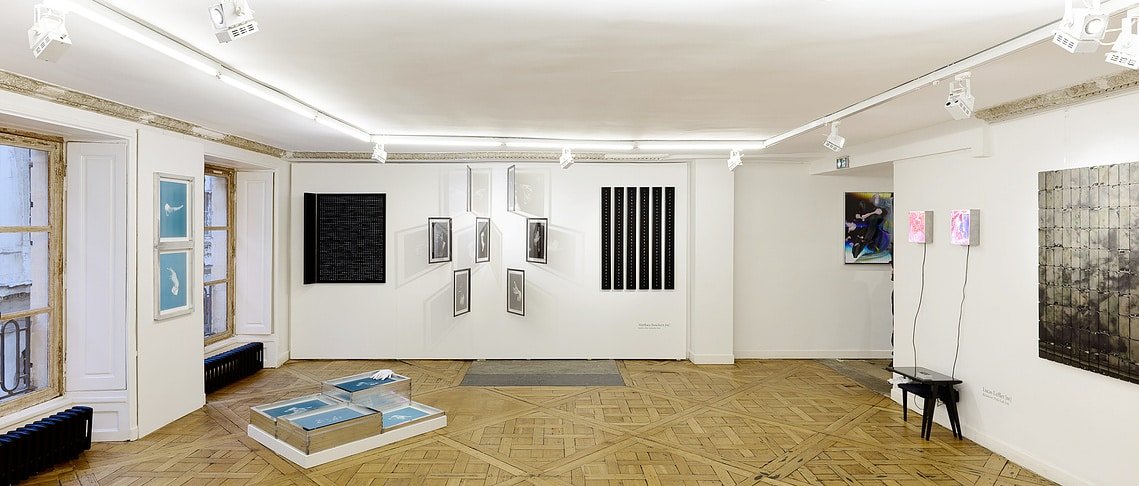
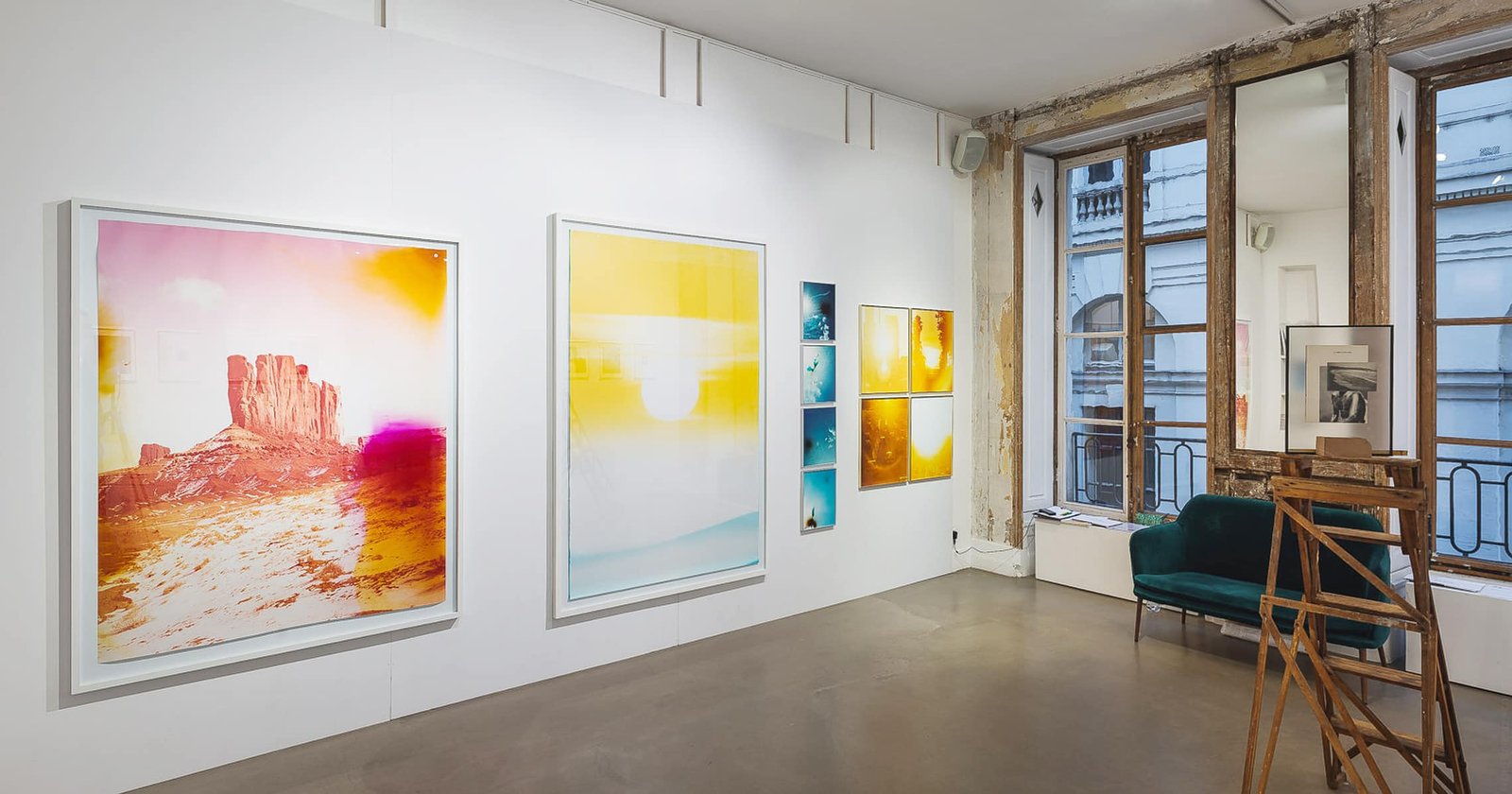
A ppr oc he Art Fair 2026 is a contemporary photography-focused art fair in Paris that presents artists exploring photography, image-making and alternative photographic practices. The event is known for its distinctive solo-show format, giving each selected artist a dedicated presentation rather than placing numerous artists together in conventional commercial booths.
The fair brings together galleries, artists, collectors, curators and photography enthusiasts in an intimate exhibition environment. Its programme focuses on artists whose practices question traditional photographic formats and explore the relationship between photography, objects, materials, space and contemporary art.
The 2026 edition presents 15 artists through their associated galleries and representatives. The selection includes established and emerging practices from France and other countries, creating an international programme while retaining a strong connection with the Parisian photography and contemporary-art scene.
Enjoy Your Event Stress-Free with France Travelo
Planning a trip around a festival, concert, cultural celebration, or business event in France can be time-consuming—finding tickets, accommodation, transport, and local information takes effort. FranceTravelo makes it easier by bringing the essential information and travel support together in one place.
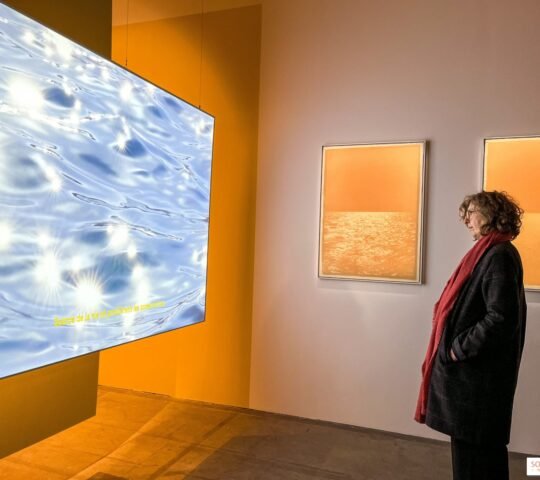
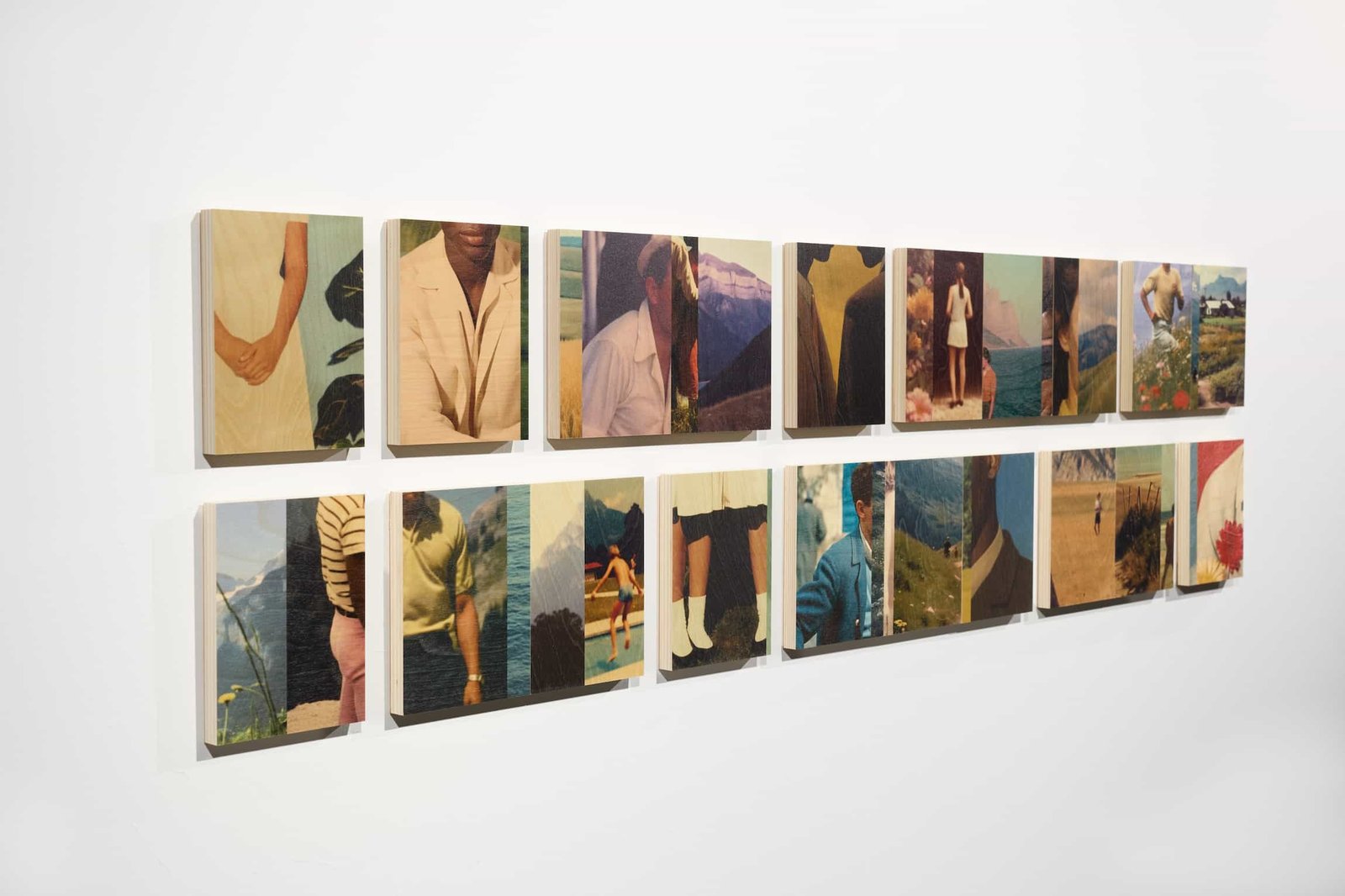
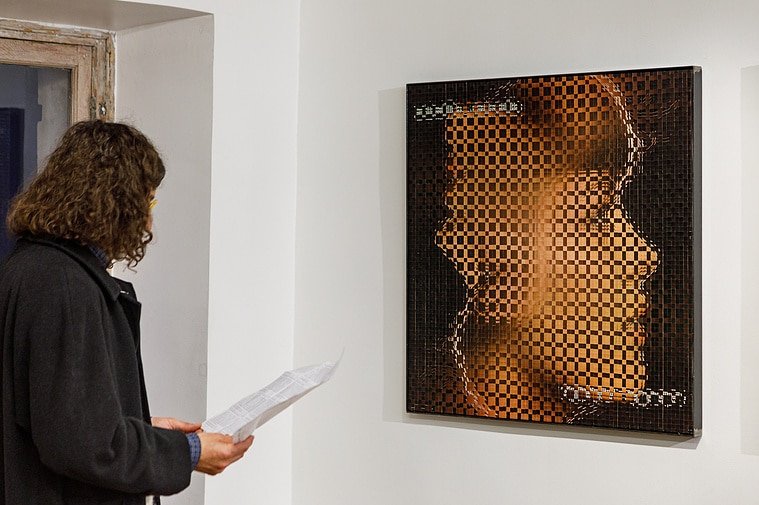
The fair is particularly interesting for visitors who want to discover photography beyond conventional prints. Artists presented through a ppr oc he may work with unusual materials, installations, historical processes, experimental techniques, archives and other forms of image-based creation.
The event also has a collector-oriented dimension. Its wider activities include encounters with artists and galleries, studio visits, exhibition visits and other opportunities for people interested in developing a closer understanding of contemporary photographic practices.
Event dates
A ppr oc he Art Fair 2026 takes place from 12 to 15 November 2026 in Paris, France.
The official opening hours are:
- Thursday, 12 November: 1pm–8pm
- Friday, 13 November: 1pm–8pm
- Saturday, 14 November: 1pm–8pm
- Sunday, 15 November: 1pm–6pm
The official event information states that admission is free by reservation. The reservation system is scheduled to open through the official a ppr oc he website from 12 October.
Visiting this event? Don’t miss out on these amazing activities and local experiences while you’re here.
Venue & exhibition site
The main exhibition takes place at Le Molière, 40 rue de Richelieu, Paris 1. The venue is situated in central Paris, within an area surrounded by museums, galleries, historic buildings, restaurants and other cultural attractions.
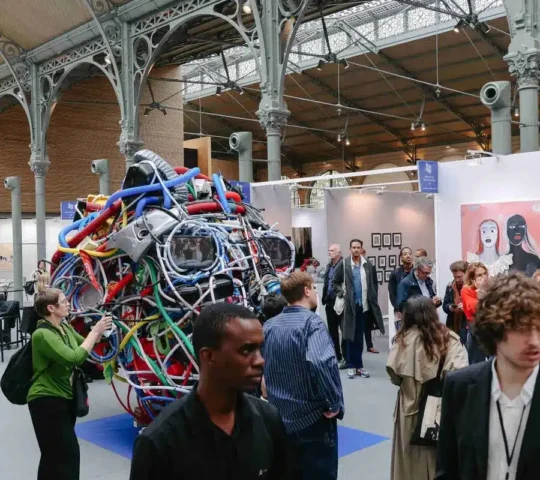
Le Molière provides a relatively intimate environment for the fair’s solo-presentation concept. Rather than requiring visitors to navigate a large convention centre divided into numerous commercial halls, the event brings its selected artists together within a more compact exhibition setting.
The central location also makes it convenient for visitors to combine a visit to the fair with other cultural activities in the Louvre, Palais-Royal, Opéra and wider central Paris areas.
The exhibition site is particularly suitable for an event focused on individual artistic presentations because visitors can spend more time with each artist’s work and examine the relationship between the photographs, objects, installations and exhibition environment.
Full exhibition programme
The official 2026 programme presents 15 artists and their associated galleries or representatives.
The confirmed artist and gallery pairings include:
- Emmanuelle Becker — Galerie DartBLAY
- Edouard Burgeat — 229 LAB
- Julie Calbert — Galerie L’Enfant Sauvage
- Olenka Carrasco — TOBE
- Juan Couder — Lab 1930. Fotografia contemporanea
- Frédéric Delangle — Galerie Binome
- Kati Dovellos — Parallax
- Arina Essipowitsch — Galerie de l’Est – Darya Brient
- Heinz Hajek-Halke — CHAUSSEE 36 Photography
- Manon Lanjouère — Galerie du jour Agnès b.
- Sido Lansari — Proche
- Jérémie Lenoir — Galerie Capazza
- Fabienne Percheron — L’ANGLE
- Wesley Stringer — Galerie XII
- Jean-Pierre Sudre — Galerie quand les fleurs nous sauvent
The official programme also notes support connected with the Centre Wallonie-Bruxelles/Paris for Julie Calbert’s presentation through Galerie L’Enfant Sauvage and the Biennale NOVA_XX.
Together, these presentations demonstrate the breadth of contemporary photographic practice represented by the salon. Visitors can encounter artists working with different processes, materials, conceptual approaches and interpretations of the photographic medium.
Featured artists & designers
A ppr oc he does not operate primarily as a design fair, so its 2026 programme is centred on artists rather than a separate designer category. The participating artists represent a broad spectrum of image-based contemporary art.
Emmanuelle Becker is presented with Galerie DartBLAY, while Edouard Burgeat is presented through 229 LAB. Julie Calbert’s presentation with Galerie L’Enfant Sauvage connects the fair with the contemporary Belgian and French art environment through the noted Centre Wallonie-Bruxelles support.
The programme also includes Olenka Carrasco, Juan Couder and Frédéric Delangle, whose presentations contribute to the fair’s international and experimental character.
Kati Dovellos, Arina Essipowitsch and Heinz Hajek-Halke add further diversity to the programme. The inclusion of Heinz Hajek-Halke is particularly relevant to visitors interested in the historical development of experimental photography.
Manon Lanjouère, Sido Lansari and Jérémie Lenoir represent additional contemporary approaches to photography and image-making. Fabienne Percheron, Wesley Stringer and Jean-Pierre Sudre complete the official artist selection.
Galleries & exhibitors
The 2026 exhibitors include galleries and specialist photographic representatives from France and internationally.
The official programme lists Galerie DartBLAY, 229 LAB, Galerie L’Enfant Sauvage, TOBE, Lab 1930. Fotografia contemporanea, Galerie Binome, Parallax, Galerie de l’Est – Darya Brient, CHAUSSEE 36 Photography, Galerie du jour Agnès b., Proche, Galerie Capazza, L’ANGLE, Galerie XII and Galerie quand les fleurs nous sauvent.
The participating galleries are an important part of the fair because each presentation is closely associated with an individual artist. This creates a structure that differs from large art fairs where one gallery may display works from many different artists in a single stand.
For collectors, this format provides an opportunity to understand the artist’s practice more fully and speak directly with representatives about individual bodies of work.
The international composition of the exhibitors also gives visitors an opportunity to discover photographic practices extending beyond the French art market.
Exhibition halls & sections
A ppr oc he does not use the conventional large-scale art-fair model of numerous numbered halls divided into categories. The exhibition is organised around individual artist presentations within the main venue.
The 2026 programme consists of 15 solo presentations. Each artist receives dedicated attention, allowing the exhibition to function as a sequence of focused artistic encounters.
This structure is central to a ppr oc he’s identity. The organisers have described the fair as an independent salon with a curatorial approach, concentrating on artists and their practices rather than simply maximising the number of commercial exhibitors.
Photography is also approached broadly. The event’s open-call material highlights practices that investigate photographic techniques and the evolution of the medium, including historical and alternative processes.
Talks, workshops & special events
The wider a ppr oc he programme includes activities beyond the principal exhibition. These activities can include artist studio visits, exhibition visits, previews and encounters involving artists, galleries and collectors.
The organisation’s programme is designed to encourage direct contact with contemporary photographic practices. Studio visits are particularly useful for visitors who want to understand how artists develop their work, experiment with materials and construct their photographic projects.
The collector community associated with a ppr oc he also provides opportunities for encounters and special events connected with artists, galleries and cultural organisations.
The 2026 programme additionally includes a collaboration with the Drawing Hotel. This project examines the relationship between drawing and photography, with a focus on preparatory drawings, sketches, diagrams and other forms of creative development.
Visitors interested in the conceptual side of photography can therefore use the wider programme to explore not only finished photographic works but also the processes and ideas behind their creation.
Ticket types
General admission to A ppr oc he Art Fair 2026 is free by reservation.
The official event information does not publish a paid general-admission ticket structure for the 2026 edition. Visitors are expected to reserve their place through the official a ppr oc he website.
The organisers have stated that reservations will open from 12 October. Visitors should use the official reservation system for the latest access instructions and any updates concerning admission.
VIP & collector access
A ppr oc he has developed a collector community known as proche. This community is intended for people who want to engage more closely with artists, galleries, exhibitions and the wider contemporary-art network connected with the salon.
The organisation’s collector activities can include previews, private exhibition visits, studio visits and encounters with artists and gallery representatives.
This collector-focused programme provides a different type of experience from ordinary public attendance. Instead of simply visiting the exhibition, participants can gain opportunities to learn more about artistic practices and develop relationships with people working within the contemporary photography sector.
Specific access arrangements for collector activities can vary according to the programme, so visitors interested in these opportunities should consult the official a ppr oc he information.
Event rules
The main confirmed admission requirement for the 2026 event is advance reservation. The official information states that admission is free by reservation.
The organisers have not published a comprehensive visitor rulebook covering every possible matter such as photography inside the exhibition, bag restrictions, food and drink or professional equipment.
Visitors should follow the instructions of event staff and venue personnel during their visit. Artworks should not be touched unless explicitly permitted, and visitors should respect other guests and the exhibition environment.
For any specific requirement not covered by the official event information, contacting a ppr oc he directly before visiting is the safest way to obtain current guidance.
How to get there
Le Molière is located at 40 rue de Richelieu in the 1st arrondissement of Paris. Its central position makes the venue accessible from many parts of the city.
Visitors travelling to Paris by train can continue from the city’s major railway stations using the Paris public-transport network, taxi services or other local transport options.
International visitors can reach central Paris from the city’s airports and then continue towards the exhibition venue using public transport or taxi services.
Because the fair is located in central Paris, visitors can also combine the journey with visits to nearby museums, galleries, cultural institutions and historic sites.
Public transport & parking
Public transport is a practical option for reaching the venue because Le Molière is situated in central Paris. Visitors should check the current Paris transport network before travelling because routes, service patterns and temporary closures can change.
Those travelling by car should be aware that parking in central Paris can be limited and that street parking is not necessarily convenient around the exhibition venue.
The official a ppr oc he information confirms the exhibition address but does not advertise a dedicated event parking facility. Visitors arriving by car should therefore check nearby public parking facilities independently and allow additional time for the journey.
Accommodation areas
Visitors staying in Paris have several convenient neighbourhood options for reaching the exhibition.
The 1st arrondissement is particularly convenient because the exhibition venue is located there. The surrounding 2nd arrondissement can also provide a practical base for visitors who want to remain close to central Paris.
The Marais, Châtelet, Palais-Royal, Opéra and parts of the 8th and 9th arrondissements are additional areas that can work well for visitors combining the fair with a wider cultural itinerary.
Choosing accommodation close to a Paris Metro or RER connection can also make it easier to reach the venue from other parts of the city.
Food & refreshments
The official a ppr oc he information does not announce a dedicated catering programme or specific food facilities inside the exhibition venue.
Visitors can find cafés, bakeries, restaurants and other refreshments throughout the surrounding central Paris neighbourhoods. The area around rue de Richelieu, Palais-Royal and the Louvre has a particularly broad selection of places to eat.
Because the venue is centrally located, visitors can easily plan a meal before or after the exhibition without needing to travel far from the event site.
Accessibility
The official 2026 event information provides the venue address but does not publish a detailed accessibility statement covering every facility.
Visitors who require wheelchair access, accessible toilets, step-free entry or other specific arrangements should contact the organisers before visiting to confirm the facilities available at Le Molière.
The official contact information provided by a ppr oc he includes salon@approche.paris for enquiries.
Visitors should communicate any specific accessibility requirements in advance so that the organisers can provide the most accurate information about access to the exhibition.
Must-see exhibitions
The main attractions of A ppr oc he Art Fair 2026 are the 15 individual artist presentations.
Visitors interested in experimental photography can explore the presentations by Emmanuelle Becker, Edouard Burgeat, Julie Calbert, Olenka Carrasco, Juan Couder and Frédéric Delangle.
The selection also includes Kati Dovellos, Arina Essipowitsch and Heinz Hajek-Halke. Heinz Hajek-Halke’s inclusion provides an opportunity to encounter work connected with the history of experimental photographic practice.
Manon Lanjouère, Sido Lansari and Jérémie Lenoir offer additional contemporary perspectives, while Fabienne Percheron, Wesley Stringer and Jean-Pierre Sudre complete the official artist programme.
The collaboration with the Drawing Hotel is another point of interest for visitors who want to explore the relationship between drawing and photography. It extends the discussion beyond finished photographic images to include sketches, preparatory work and artistic development.
Previous year’s highlights
The previous edition presented 15 artists through a ppr oc he’s characteristic solo-show format.
The official programme included Pietro Bologna, Léonard Bourgois Beaulieu, Julie Cockburn, Sander Coers, Isabelle Ehrler, Denis Félix, Emile Gostelie, Sophie Le Gendre, Vincent Lemaire, Anna Katharina Scheidegger, Reeve Schumacher, Mimiko Türkkan, Daphne van de Velde, Thu Van Tran and Thomas Mailaender.
The programme demonstrated the international character of the salon, bringing together artists and galleries connected with different contemporary photography and art communities.
The previous edition also maintained the event’s emphasis on individual artist presentations. Rather than organising the fair around large commercial sections, a ppr oc he used its exhibition structure to give each selected practice a clear presence.
This format provides continuity between editions and explains why the salon has developed a distinct identity within Paris’s photography and contemporary-art calendar.
Official tickets
Admission to A ppr oc he Art Fair 2026 is free by reservation. The official website is the appropriate source for the reservation process and the latest visitor information.
Reservations are scheduled to open from 12 October through the official a ppr oc he website.
Visitors should check the official event page before travelling for any updates concerning reservation availability, opening arrangements, venue information or additional programme activities.
Official website: https://www.approche.paris/
Tickets Sell Out
in Minutes
Maps
Contact
FAQ's
What is A ppr oc he Art Fair?
A ppr oc he is an independent Paris art fair focused on artists who experiment with photography and the image. Its distinctive format centres on individual artist presentations rather than conventional multi-artist commercial booths. The programme brings together contemporary artists, galleries, collectors and photography enthusiasts.
Where is A ppr oc he Art Fair 2026 held?
The 2026 edition is hosted at Le Molière, 40 rue de Richelieu, Paris 1. The venue is located in central Paris, close to major cultural attractions and galleries. Its location makes it practical to combine the exhibition with other photography and contemporary-art visits around the city.
How many artists are presented at the 2026 fair?
The official 2026 programme presents 15 artists through galleries and other representatives. The selection includes artists working across contemporary photography, experimental image-making and different photographic processes. The programme combines French and international artistic practices.
Does A ppr oc he Art Fair require advance reservation?
Yes, the official 2026 information states that admission is free by reservation. The organisers have announced that reservations will open through the official website from 12 October. Visitors should check the official event page before travelling for the latest reservation instructions.
What makes A ppr oc he different from a conventional art fair?
A ppr oc he focuses on solo presentations, allowing individual artists and their practices to receive greater attention within the exhibition. The fair is particularly interested in photography that moves beyond conventional formats through experimentation with materials, techniques, objects and space. Its wider programme also connects visitors with artists, galleries, collectors and photographic projects.