

Montpellier International Mediterranean Film Festival 2026 – France
What to expect in 2026
The Montpellier International Mediterranean Film Festival, known as CINEMED, is one of France’s established festivals dedicated to cinema from the Mediterranean region and related film cultures. The festival presents feature films, short films and documentaries through competitions, panoramas, retrospectives, previews, special screenings and professional programmes. Its official regulations identify the Mediterranean basin together with Portugal, Romania, Bulgaria, Georgia and Armenia as part of the festival’s wider cinematic scope.
The 48th edition brings together several major strands. The official advance programme announces a tribute to Spanish filmmaker Pablo Berger, a retrospective devoted to Vittorio De Sica, a retrospective of Marco Bellocchio, a focus on new Egyptian cinema and a programme connected with the Season of the Mediterranean. The festival also welcomes actress Camélia Jordana and presents a selection of previews and special events.
CINEMED is designed for both general audiences and film professionals. Visitors can attend public screenings and filmmaker encounters, while accredited professionals have access to the Cinemed Meetings programme, development projects, industry meetings and the festival film library.
Enjoy Your Event Stress-Free with France Travelo
Planning a trip around a festival, concert, cultural celebration, or business event in France can be time-consuming—finding tickets, accommodation, transport, and local information takes effort. FranceTravelo makes it easier by bringing the essential information and travel support together in one place.
The programme also includes activities for younger audiences. CINEMED des enfants offers family-oriented screenings, including short films and Pablo Berger’s animated feature Mon ami robot.
Festival dates
The 48th CINEMED – International Mediterranean Film Festival of Montpellier takes place in Montpellier, France, from October 16 to 24, 2026. The dates are confirmed in the festival’s official regulations and on its official website.
The festival’s opening evening is scheduled at the Corum-Opéra Berlioz, with Nanni Moretti’s Les Cœurs affamés. The official programme also announces previews and other events throughout the festival period.
Visiting this event? Don’t miss out on these amazing activities and local experiences while you’re here.
Venues & festival locations
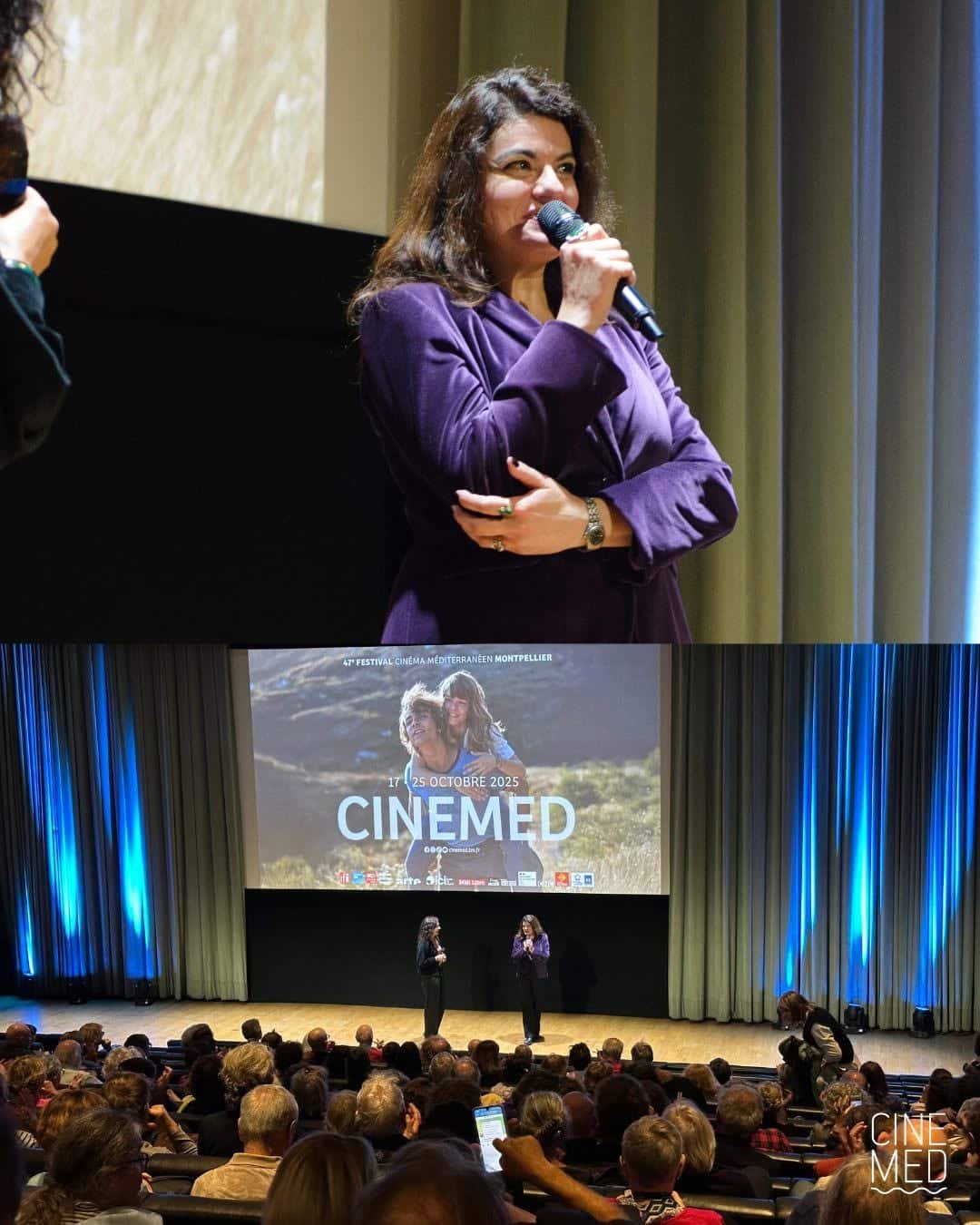
The Corum-Palais des Congrès is the main festival centre. It is located on Esplanade Charles-de-Gaulle and contains the Opéra Berlioz, Pasteur and Einstein screening rooms. The festival reception is located on level 1, with access from the pedestrian street.
The Centre Rabelais, at 29 boulevard Sarrail, is another principal festival venue. CINEMED states that it is approximately two minutes on foot from the Corum, making it practical for visitors attending screenings at both locations.
CINEMED also operates its Hors les murs programme at partner cinemas. The official practical information identifies Diagonal, Utopia and Nestor-Burma among the participating cinemas.
These venues allow the festival to combine large-capacity screenings, smaller cinema rooms, professional meetings and special programmes within Montpellier’s central districts.
Full programme
The 2026 programme covers several distinct areas of Mediterranean and international cinema.
- Official feature-film competition and panorama: Around 18 feature-length fiction films form the official selection, with approximately 8 to 10 films in competition and around 8 in the panorama.
- Short-film competition and panorama: Around 30 short films are included, covering fiction, documentary, animation and experimental cinema. Approximately 20 are selected for competition and 10 to 15 for the panorama.
- Documentary competition: The documentary competition focuses on contemporary documentary creation from the Mediterranean area and associated territories.
- Pablo Berger tribute: The festival presents a selection dedicated to the Spanish filmmaker, whose work includes Torremolinos 73, Blancanieves, Abracadabra and Mon ami robot.
- Vittorio De Sica retrospective: The programme revisits the work of the Italian filmmaker and actor through major films from his career.
- Marco Bellocchio retrospective: CINEMED returns to the work of the Italian director following an earlier festival tribute.
- New Egyptian cinema: A programme of recent Egyptian shorts, documentaries and fiction films highlights emerging filmmakers and includes encounters with filmmakers.
- Young audiences: CINEMED des enfants provides family screenings and activities for younger viewers.
The official programme also includes previews, filmmaker encounters, professional meetings and special events.
Featured films & premieres
One of the principal announced films is Nanni Moretti’s Les Cœurs affamés, selected for the opening evening. The festival describes the film as Moretti’s latest work and presents it as the opening feature of the edition.
The preview programme includes L’Affaire Marie-Claire, directed by Lauriane Escaffre and Yvo Muller. The film concerns the Bobigny trial and features Cécile de France and Charlotte Gainsbourg as Gisèle Halimi.
Another announced preview is Louis-Julien Petit’s En haut de la pile. Petit returns to CINEMED with the new film after his earlier work Carole Matthieu and Les Invisibles.
The programme also includes Un bon petit soldat, bringing together Stéphane Brizé with Alba Rohrwacher and Vincent Lindon. CINEMED identifies the film among the announced autumn previews.
The Pablo Berger programme includes Blancanieves, the filmmaker’s black-and-white, silent reinterpretation of the Brothers Grimm story set in Andalusia. The film also provides the image used for the festival’s official poster.
Directors, actors & guests
Spanish filmmaker Pablo Berger is one of the central guests of the festival. CINEMED presents a retrospective of his career, including Torremolinos 73, Blancanieves, Abracadabra and Mon ami robot. His work crosses live action, silent cinema-inspired storytelling and animation.
Camélia Jordana is another officially announced guest. The actress and singer previously attended CINEMED with the team of Nous trois ou rien. Her film career includes Le Brio, for which she received the César for Most Promising Actress, as well as La Nuit venue, Les Choses qu’on dit, les choses qu’on fait, Les Tempêtes and Reine Mère.
The Egyptian cinema programme also brings filmmakers into the festival for screenings and discussions about contemporary Egyptian filmmaking. CINEMED describes the programme as a showcase for an emerging generation of Egyptian directors working in fiction, documentary and short films.
Screening schedule
The official screening schedule is organised across the Corum, Centre Rabelais and participating Hors les murs cinemas. Individual films in the official selections are scheduled by CINEMED, and the regulations state that each selected feature, short and documentary is shown at least twice.
The festival’s official programme and ticketing pages should be checked for individual screening times because CINEMED reserves the right to modify the programme. The official conditions also state that admission is subject to available seating.
The official festival catalogue is intended to provide the complete programme, film information, biographies and screening schedules. CINEMED lists the catalogue as an additional festival publication available to visitors.
For popular screenings and previews, arriving early is advisable because a ticket or pass does not guarantee admission once a screening has reached capacity.
Ticket types & accreditation
CINEMED offers several public ticket options, including festival passes, reduced passes, multi-ticket carnets and individual special-event tickets. The official 2026 prices are converted below using an EUR/USD rate of approximately $1.133 per €1 for September 30, 2026.
- Festival Pass: $101.97
- Student under 26 / solidarity Pass: $51.00
- YOOT student Pass: $39.66
- Pass Culture: $51.00
- 20-ticket carnet: $113.30
- 10-ticket carnet: $62.32
- 5-ticket carnet: $36.82
- Opening evening: $13.60
- Closing evening: $10.20
- Educational cinema-audiovisual pass without accommodation: $33.99
- Educational pass with two nights accommodation: $77.06
- Educational pass with three nights accommodation: $107.64
The festival pass provides access to all eligible screenings, including the opening and closing events subject to the festival’s reservation conditions, as well as Hors les murs screenings except for the specified Nuit en enfer programme. The catalogue and tote bag are also included.
The 5-ticket, 10-ticket and 20-ticket carnets are not valid for the opening or closing events or Hors les murs screenings. CINEMED also states that these tickets do not guarantee entry to a particular screening because access depends on available seats.
Industry & professional access
CINEMED has a substantial professional programme through Cinemed Meetings, which brings together filmmakers, producers, distributors, sales professionals, financiers, broadcasters and other industry representatives.
The programme includes the Development Grant, Du court au long, Cinemed & Aflamuna professional meetings, a focus on young Egyptian cinema, Cinéstoria residencies, Talents en court and professional round tables.
The Development Grant supports feature-fiction projects connected with Mediterranean cinema. The current programme selected 13 international projects for presentation before a professional jury, with producers and directors presenting their projects and meeting potential partners.
Du court au long connects short-film directors with long-form projects to professional juries, producers and potential partners. Other activities include individual meetings, project pitches and discussions covering production, financing, distribution and international cooperation.
The professional programme also includes the Arab-African Series Lab, Luz Lab activities, Egyptian projects seeking co-production partners and presentations from emerging filmmakers.
Red carpet & special events
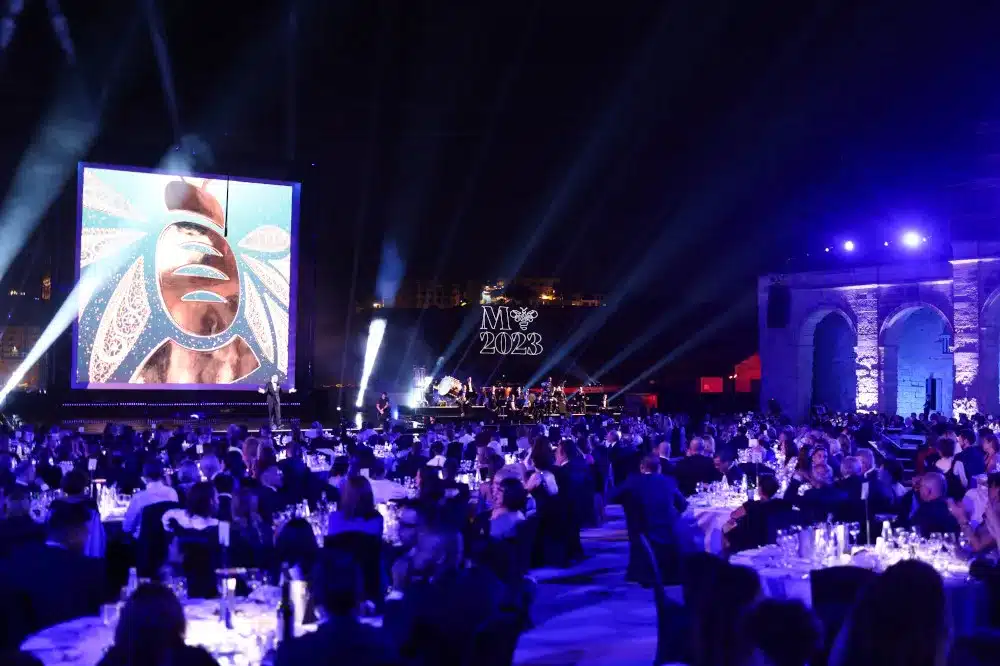
The opening event is one of the major public occasions of CINEMED, with the festival’s opening film presented at the Corum-Opéra Berlioz. The official ticket information treats the opening as a special-price event separate from standard carnet access.
The festival’s preview screenings provide further opportunities to see new films in a festival setting, including screenings accompanied by members of the creative teams where announced by CINEMED.
The Pablo Berger tribute is another major special programme, combining screenings with the presence of the filmmaker. The festival’s poster uses an image from Blancanieves, linking the visual identity of the edition directly with the tribute.
CINEMED also offers family screenings, retrospectives, filmmaker meetings and special programmes associated with the Season of the Mediterranean.
Festival rules
CINEMED’s official conditions state that the festival may modify its programme. Visitors should therefore check the official website and programme information before attending a particular screening.
Tickets and passes are subject to the conditions attached to each category. Festival passes are nominative, while certain carnets are non-nominative. Unused tickets are not generally refundable or exchangeable under the festival’s stated conditions.
Entry to screening rooms is subject to available capacity. CINEMED recommends that visitors arrive in advance, particularly when attending popular screenings. The 5-ticket carnet information specifically warns that purchasing the ticket does not guarantee access to a particular session.
Hors les murs screenings are operated by the participating cinemas, and CINEMED’s standard sales conditions do not apply to those independently managed ticket sales.
How to get there
Montpellier is a major city in southern France and can be reached by rail, road and air. For festival visitors, the central location of the principal venues makes public transport and walking practical options.
The Corum is situated in the central part of Montpellier on Esplanade Charles-de-Gaulle, while the Centre Rabelais is on boulevard Sarrail. The two venues are separated by only a short walk.
Visitors arriving by train can use Montpellier Saint-Roch station and continue toward the central festival area by tram or on foot. Montpellier’s central districts contain extensive accommodation, restaurants and cultural attractions, making it possible to stay close to the festival venues.
For visitors arriving by air, Montpellier-Méditerranée Airport provides the city’s principal airport connection. From the airport, visitors can continue toward the city using public transport or taxi services.
Public transport & parking
Montpellier’s tram network is useful for reaching the central festival venues and participating cinemas. The Corum is directly integrated into the city’s public transport network, while Centre Rabelais is close to the Corum and therefore convenient for visitors transferring between venues.
Visitors who choose to drive can use central public car parks. The city operates parking facilities around the central districts, while park-and-ride facilities provide an alternative for visitors who prefer to leave their vehicle outside the busiest parts of the city.
Because CINEMED operates across multiple central locations, public transport can be particularly useful when combining screenings at different venues.
Visitors staying near the historic centre, Comédie, Gare, Antigone or Corum can often reach festival venues without needing a car.
Accommodation areas
The Gare and Centre-ville area is a practical choice for festival visitors because it places travellers close to Montpellier Saint-Roch station, the historic centre, restaurants and public transport connections.
The Corum area is particularly convenient for visitors whose programme is concentrated around the principal festival venues. CINEMED’s official practical information lists several partner hotels in Montpellier, including Ibis Comédie, Radisson Blu Hôtel Montpellier, Ibis Styles Montpellier Centre Comédie and Mercure Centre Comédie.
The Antigone area offers another central accommodation option. It is within reasonable reach of the historic centre and connected to the city’s public transport system.
Visitors attending professional meetings may also consider accommodation with easy access to the Corum and central business districts, reducing travel time between screenings and industry activities.
Food & dining
Montpellier’s central districts provide a broad selection of restaurants, cafés, bakeries and casual dining venues. Visitors staying around the Corum, Comédie or Gare can combine meals with festival screenings without travelling far from the principal venues.
The area around the historic centre is particularly useful for visitors who want to explore Montpellier between screenings. Its pedestrian streets provide access to restaurants and cafés within walking distance of several festival locations.
For visitors following a tightly packed screening schedule, staying close to the Corum or Centre-ville can make it easier to take shorter meal breaks between sessions.
Montpellier also offers food options across a range of budgets and cuisines, making it possible to plan dining around either daytime screenings or evening events.
Accessibility
CINEMED has previously programmed accessible screenings for audiences with disabilities, including audio description for blind and visually impaired audiences and subtitled screenings for deaf and hard-of-hearing audiences. The festival’s published programmes demonstrate its use of these accessibility formats.
The 2026 programme also includes a professional discussion focused specifically on the professionalisation of people with disabilities in cinema and audiovisual work. The discussion addresses training, casting, representation, production conditions and access to industry careers.
Visitors with specific accessibility requirements should check the individual screening information and contact CINEMED before attending so that the available arrangements can be confirmed.
The central location of the Corum and Centre Rabelais also makes it possible to combine festival activities without lengthy transfers between the two principal venues.
Best screenings to attend
For visitors interested in the festival’s major events, the opening screening of Les Cœurs affamés provides an introduction to the edition’s public programme.
The Pablo Berger tribute is an important choice for audiences interested in Spanish cinema and filmmakers who experiment with genre, visual style and storytelling. The programme provides an opportunity to see several stages of Berger’s career.
The Vittorio De Sica retrospective is suited to viewers interested in Italian cinema, neorealism and classic filmmaking. CINEMED highlights films including Bicycle Thieves, Shoeshine, Umberto D. and The Garden of the Finzi-Continis.
The new Egyptian cinema programme is useful for audiences looking for contemporary work by emerging filmmakers. CINEMED combines film screenings with encounters intended to explore the creative realities and aspirations of this generation.
The official competitions are also important for discovering new Mediterranean filmmakers, particularly audiences interested in fiction, documentary, animation and short-form cinema.
Previous year’s highlights
The previous edition’s official awards demonstrate the range of cinema represented at CINEMED. In the feature-film competition, Alauda Ruiz de Azúa’s Les Dimanches received the Antigone d’or, while Kaouther Ben Hania’s La Voix de Hind Rajab received both the Critics’ Prize and Public Prize.
Cyril Aris’s Un monde fragile et merveilleux received the young-audience award and also won the JAM award for best music for Anthony Sahyoun’s score. Amel Guellaty’s Where the Wind Comes From? received the exhibitors’ award.
In the short-film competition, Justin Amorim’s Tapete Voador received the Grand Prize, while Anissa Daoud’s Mme Faiza & Dr Love won the public award.
The documentary competition recognised With Hasan in Gaza with the Ulysses Prize, while 9-Month Contract received the Films des 2 Rives award.
The previous programme also demonstrated the festival’s emphasis on professional development, with development grants and project-support activities complementing the public film programme.
Official tickets & accreditation
CINEMED sells public tickets and passes through its official ticketing system. Tickets for screenings at the Corum and Centre Rabelais can be purchased online or at the festival ticket offices.
The 2026 Festival Pass is listed at approximately $101.97, while the student under-26 and solidarity pass is approximately $51.00. The YOOT student pass and Pass Culture are approximately $39.66 and $51.00, respectively.
The multi-ticket options are approximately $113.30 for 20 tickets, $62.32 for 10 tickets and $36.82 for five tickets. The opening and closing events are approximately $13.60 and $10.20, respectively.
The five-ticket carnet is particularly flexible for visitors who do not want a full festival pass, but it does not include the opening, closing or Hors les murs screenings and does not guarantee entry to a particular screening.
Professional visitors should use CINEMED’s dedicated professional accreditation system and Cinemed Meetings information. Professional access is separate from ordinary public ticketing and is designed around industry meetings, project presentations, development programmes and networking.
Official CINEMED website (https://www.cinemed.tm.fr/)
Official CINEMED ticketing information (https://www.cinemed.tm.fr/informations-pratiques)
Tickets Sell Out
in Minutes
Maps
Contact
Video
FAQ's
What is the Montpellier International Mediterranean Film Festival?
CINEMED is an international film festival based in Montpellier that focuses on cinema from the Mediterranean basin and related territories. Its programme includes feature films, short films, documentaries, competitions, retrospectives, previews, filmmaker meetings and professional activities. The festival also covers cinema from Portugal, Romania, Bulgaria, Georgia and Armenia.
Where are the main CINEMED screenings held?
The main festival venues are the Corum-Palais des Congrès and Centre Rabelais in central Montpellier. The Corum contains the Opéra Berlioz, Pasteur and Einstein screening rooms, while Centre Rabelais is located a short walk away. Additional Hors les murs screenings are organised with participating cinemas including Diagonal, Utopia and Nestor-Burma.
What types of films are shown at CINEMED?
The official programme includes feature fiction, short films, documentaries, animation and experimental works alongside retrospectives and special screenings. The official selections cover both competition and panorama sections, while the wider programme includes contemporary Mediterranean cinema, classic films and dedicated national or filmmaker focuses.
Can film professionals participate in CINEMED?
Yes. CINEMED provides professional accreditation and Cinemed Meetings for filmmakers, producers, distributors, sales professionals, financiers, broadcasters and other audiovisual specialists. The professional programme includes development projects, individual meetings, pitching sessions, co-production activities, industry discussions and support programmes for emerging filmmakers.
How can visitors find the latest screening information?
The official CINEMED website and ticketing system provide the current programme, screening information, ticket availability and festival announcements. Because CINEMED states that the programme can be modified, visitors should check the official information before attending a specific screening. Individual screenings are also subject to available seating, so arriving in advance is recommended.