Pariscience International Science Film Festival 2026 – Paris, France
What to expect in 2026
Pariscience International Science Film Festival returns for its 22nd edition as a major international festival devoted to scientific cinema and audiovisual storytelling. Organized by the Association Science & Télévision, the festival presents recent French and international productions covering a broad range of scientific subjects, formats, genres and audiences. The programme includes documentaries, short films, animation, fiction, web videos and other forms of science communication.
The festival is divided into a school and young-audience programme and a general-public programme. The school programme is designed for different educational levels, while the general-public programme brings scientific films to a wider audience through screenings followed by discussions with scientists and film teams. The 2026 school programme contains 31 sessions and includes both in-person and online activities.
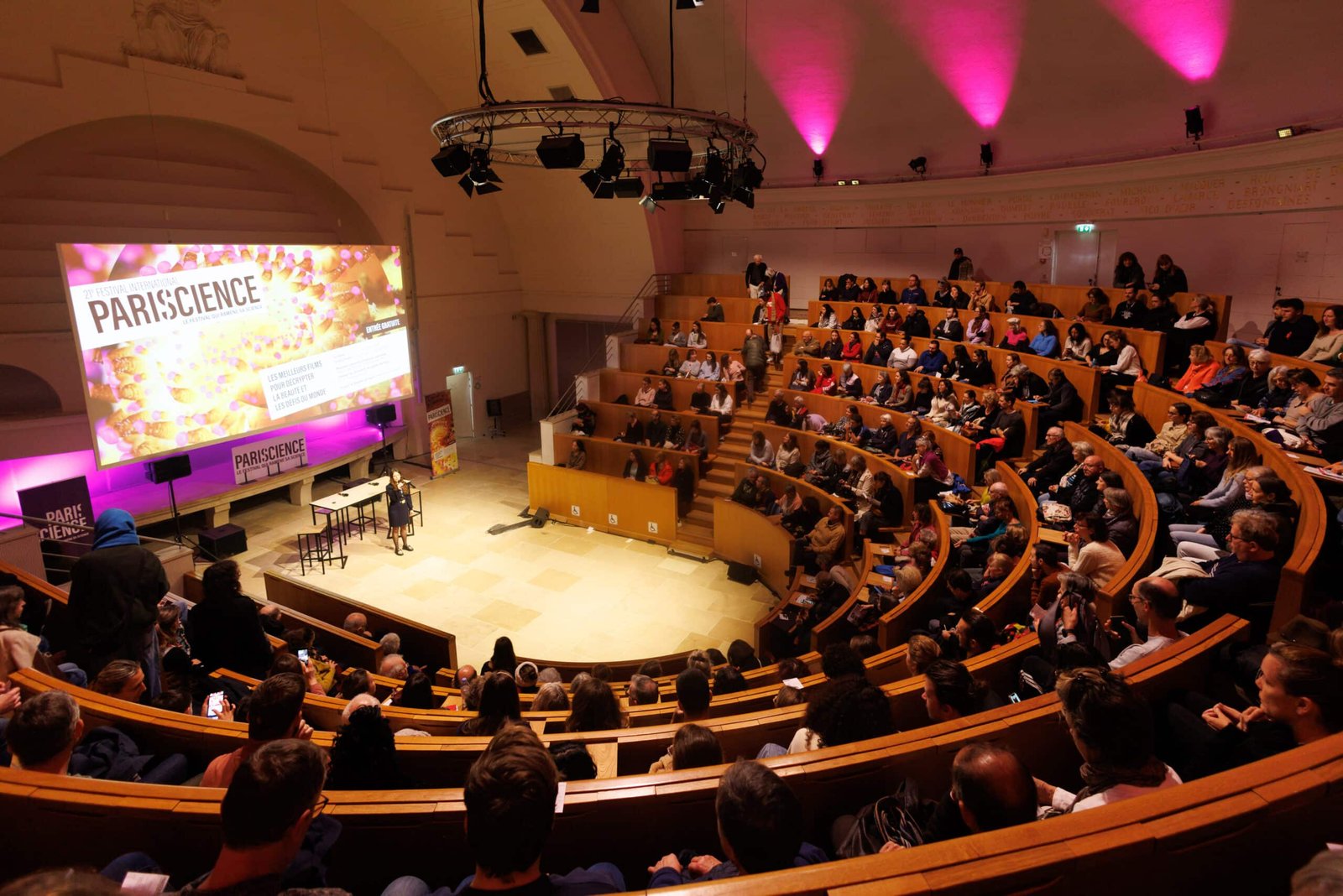
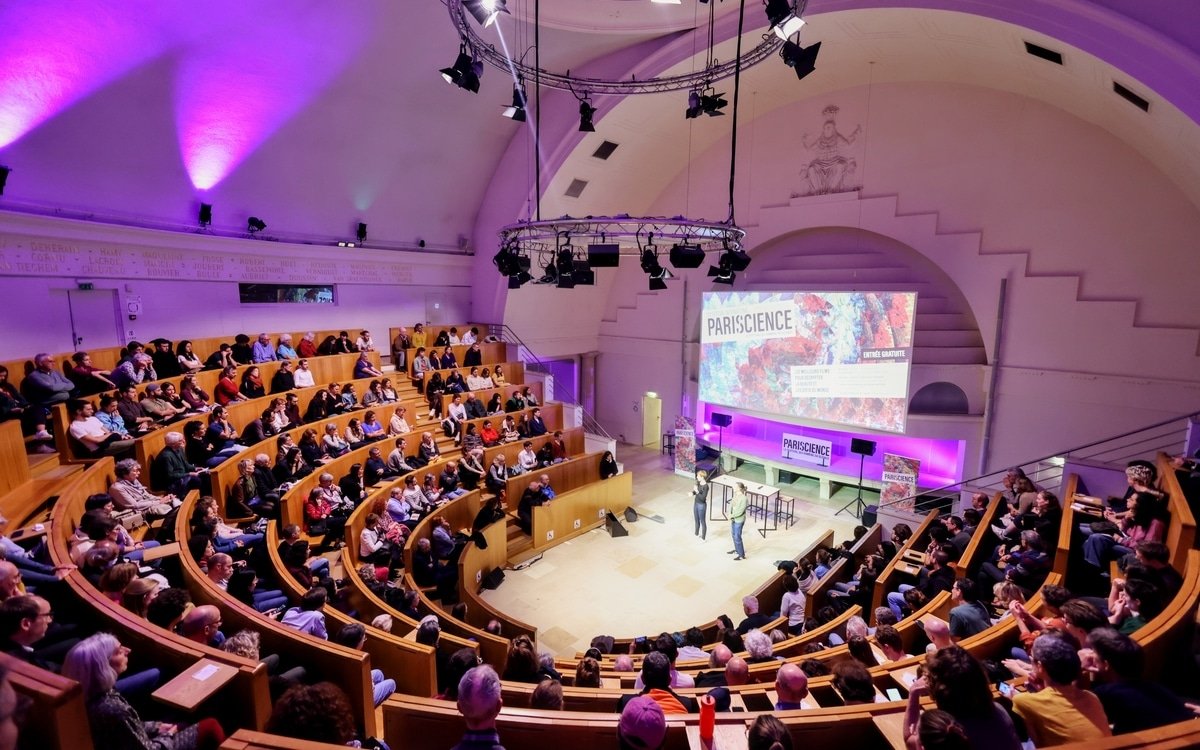
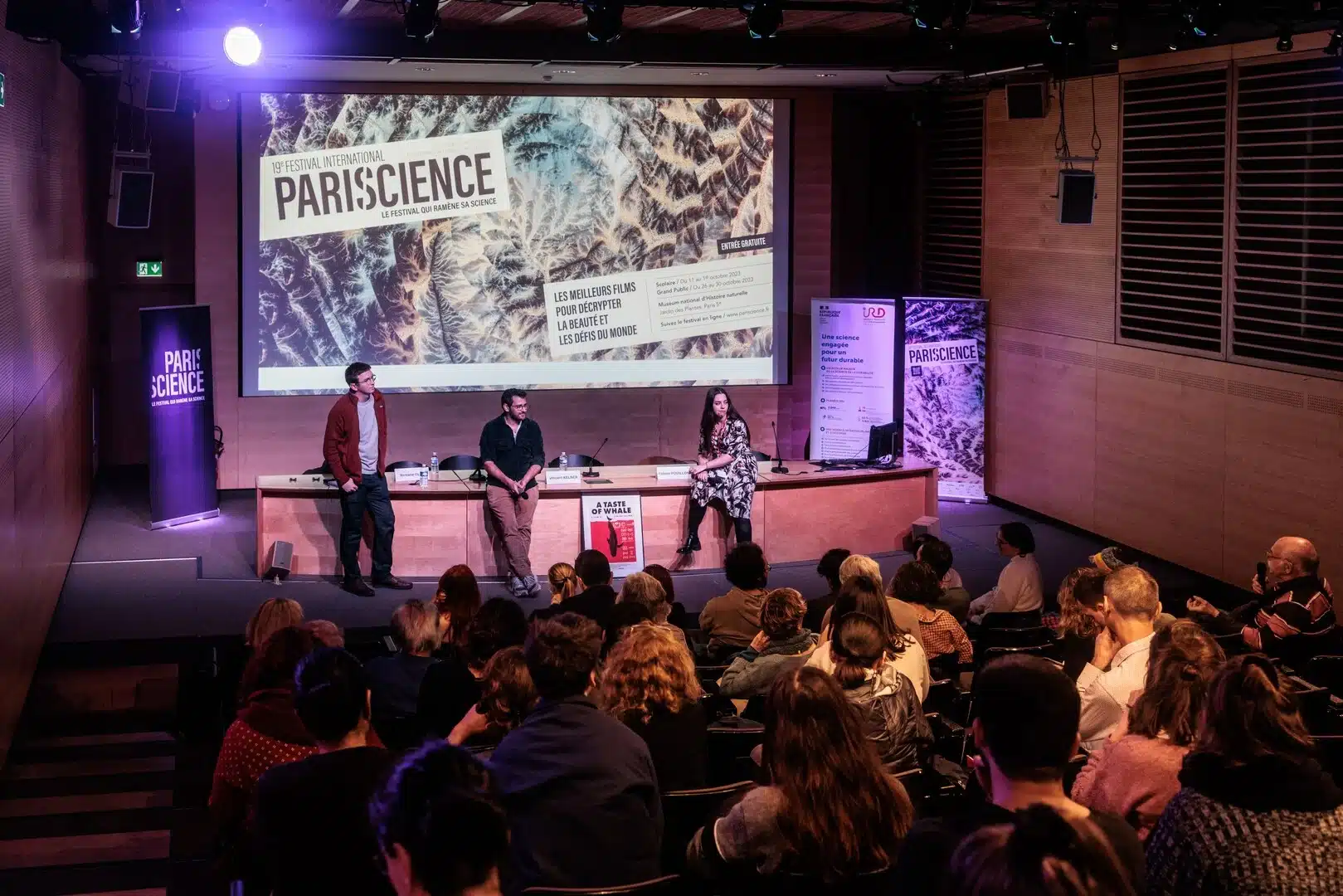
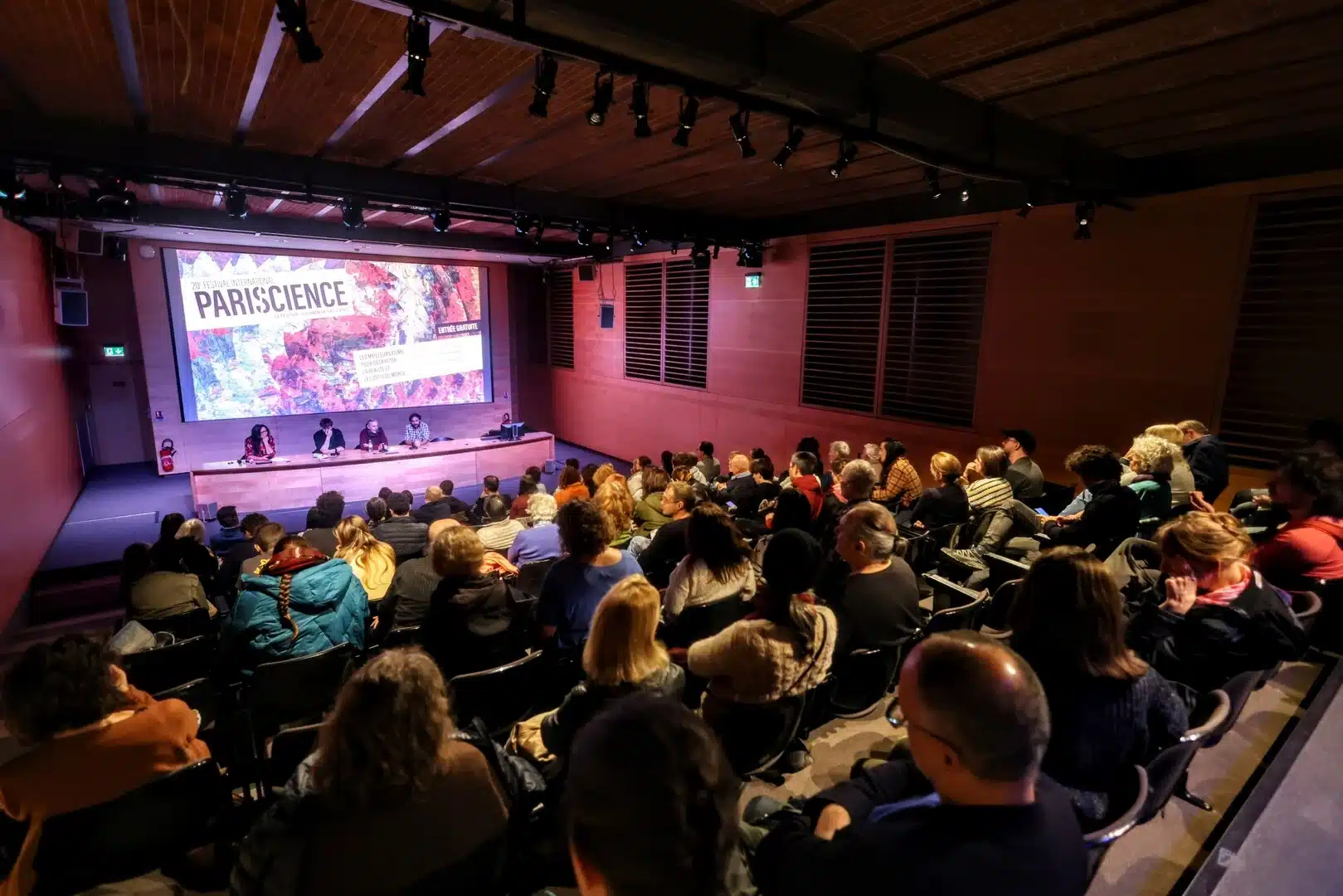
A defining feature of Pariscience is the discussion following screenings. The festival states that its projections are followed by exchanges involving scientific experts, members of film teams and audiences. This creates a format in which films are not treated simply as entertainment but as starting points for discussion and scientific mediation.
Enjoy Your Event Stress-Free with France Travelo
Planning a trip around a festival, concert, cultural celebration, or business event in France can be time-consuming—finding tickets, accommodation, transport, and local information takes effort. FranceTravelo makes it easier by bringing the essential information and travel support together in one place.
The programme covers subjects ranging from biodiversity and climate science to medicine, artificial intelligence, astronomy, technology, archaeology, neuroscience, history and the relationship between humans and the living world.
Festival dates
Pariscience 2026 has two principal programme periods. The official festival website currently lists the school programme from October 2 to October 16, 2026, followed by the general-public programme from October 22 to October 26, 2026.
The school programme is presented both in venues and online, while the general-public programme is centred on the festival’s Paris venues. The official programme also includes selected special sessions outside the principal festival period, including events connected with partner organizations.
The dates supplied in some earlier promotional material may refer to a shorter selection of school activities, but the current official Pariscience website identifies the complete 2026 school programme as running through October 16.
Visiting this event? Don’t miss out on these amazing activities and local experiences while you’re here.
Venues & festival locations
Pariscience uses several scientific and cultural locations rather than operating from a single cinema. The principal partners for the festival are the Muséum national d’Histoire naturelle (MNHN) and the Institut de physique du globe de Paris (IPGP).
The school programme is particularly dispersed. Official programme information identifies:
- Institut de physique du globe de Paris
- Muséum national d’Histoire naturelle
- Synchrotron SOLEIL
- Université Paris Cité
- Le Cadran d’Évreux
- Online streaming locations for participating classes
The auditorium of the Institut de physique du globe de Paris at 1 rue Jussieu, 75005 Paris, is the principal in-person venue for many school sessions.
The general-public programme is associated primarily with the Muséum national d’Histoire naturelle and IPGP, while special partner screenings can take place elsewhere. For example, the Epsiloon ciné-club partnership uses the cinema Les 5 Caumartins for a special screening.
Full programme
The 2026 programme combines film competitions, public screenings, educational sessions, professional activities, debates and special events.
The general-public programme includes subjects such as:
- Climate change and disappearing glaciers
- Biodiversity
- Marine biology
- Medicine and medical history
- Artificial intelligence
- Technology and digital society
- Archaeology
- Astronomy and space exploration
- Neuroscience
- Animal behaviour
- Food and vegetarianism
- Environmental science
- Geology and volcanoes
- Human history and anthropology
- Scientific research and researchers
The programme also includes short-film competitions and special thematic sessions. The student short-film competition features eight films created by students and concludes with the presentation of the Student Short Film Prize.
The school programme is adapted to different age groups, from primary-school pupils through secondary education. Sessions include films about plants, wildlife, artificial intelligence, environmental engineering, scientific careers, cognitive biases, astronomy and the work of scientific communicators.
Featured films & premieres
The general-public programme contains a large selection of recent scientific films and several special presentations.
Mission Lavia, les mystères des chauve-souris d’Afrique follows three young naturalists and an illustrator travelling through West Africa in search of the golden-winged bat Lavia frons. The film combines scientific investigation with an expedition narrative and human encounters.
Après les glaciers examines what happens to landscapes and ecosystems after glaciers disappear. The film follows scientists, elected representatives, athletes and artists involved in efforts to create protected post-glacial areas in the Alps.
A Life Illuminated focuses on bioluminescence in the deep ocean and the work of marine biologist Edie Widder, including her efforts to observe deep-sea creatures in their natural environment.
Other featured films include:
- Vanuatu, des peuples et des volcans
- Mémoires enfouies
- Weeping Rocks
- When Pigs Fly
- The Weight Of The World
- The Lake
- Ghost Elephants
- La Baleine et le musicien
- Techplomacy
- Tombeau de glace
- Glaciers, enquête sur une disparition
- Wild Inside
- The Forest Code
- Lady Nazca
The school programme also contains a number of special and unreleased films, including Les vrais chercheurs (ne savent pas ce qu’ils cherchent), presented as an unpublished documentary connected with the opening programme at Synchrotron SOLEIL.
Directors, actors & guests
Pariscience is primarily a documentary and scientific film festival, so its guests include directors, producers, researchers, scientific communicators, filmmakers and specialists rather than focusing on conventional celebrity appearances.
The 2026 programme brings together filmmakers behind documentaries dealing with scientific and environmental subjects, while screening discussions allow audiences to hear from scientific experts and members of film teams.
The school programme includes direct encounters with filmmakers and scientific contributors. For example, the session devoted to scientific video creators includes Marie Treibert and another science-video creator, giving students the opportunity to ask about the profession and the process of communicating science online.
The programme also includes filmmaker Cédric Klapisch and Jean-Luc Perréard in connection with the unpublished documentary Les vrais chercheurs (ne savent pas ce qu’ils cherchent).
The Student Jury and other educational programmes also connect students with producers, researchers and audiovisual professionals. This makes the festival relevant not only to cinema audiences but also to students interested in scientific communication and filmmaking.
Screening schedule
The official Pariscience website provides a searchable programme divided into school, general-public and Agora sections. Visitors can filter sessions by subject, category, session type and other programme criteria.
General-public screenings include morning, afternoon and evening sessions. The programme contains both individual feature-length documentaries and shorter themed sessions.
Examples of scheduled general-public subjects include:
- Humboldt USA
- Après les glaciers
- Vanuatu, des peuples et des volcans
- Mémoires enfouies
- Mission Lavia, les mystères des chauve-souris d’Afrique
- When Pigs Fly
- The Weight Of The World
- Les Trésors oubliés de la médecine arabe
- The Lake
- Ghost Elephants
- La Baleine et le musicien
- A Life Illuminated
- Tombeau de glace
- Wild Inside
- The Forest Code
- The Endless Frontier
Several sessions are also marked as accessible to deaf and hard-of-hearing audiences on the official programme.
The school schedule includes 31 sessions, with some sessions simultaneously accessible online to selected classes across France.
Ticket types & accreditation
Pariscience states that its regular festival screenings are free, with reservations recommended. This applies to the main general-public programme as well as the school programme, although school participation requires advance registration through the appropriate educational process.
There is an exception for selected partner or special events. The official programme lists the Epsiloon ciné-club screening of Méli-Mélo (Tangles) as a paid session. The published admission prices are approximately:
- Adult: $14.19
- Reduced rate for Pariscience spectators: $10.79
- Under 27: $7.95
These amounts are converted from the official published prices using an exchange rate of €1 = $1.1355.
The school festival is completely free, but schools must complete the required pre-registration form. The organizers warn that some sessions can fill quickly.
For the general-public festival, visitors should reserve free sessions through the official ticketing system whenever reservations are available.
Industry & professional access
Professional activities are an important part of Pariscience’s structure. The festival is connected to the scientific audiovisual sector and organizes professional meetings alongside its public programme.
The 2026 Agora programme includes sessions specifically marked for professionals, including a flash conference on artificial intelligence, a conference on mathematics and society, a discussion about underground spaces and a session examining responses to multi-risk crises.
The professional programme provides opportunities for scientific researchers and audiovisual professionals to meet around subjects including:
- Scientific filmmaking
- Research communication
- Artificial intelligence
- Mathematics
- Environmental risks
- Science and society
- Production and broadcasting
- Digital science communication
Pariscience also works with industry partners on development projects. One example is the Éclair de Série call for projects launched with ARTE France, which focuses on scientific documentary series proposals and evaluates projects according to editorial, scientific, artistic and feasibility criteria.
The festival’s competition structure includes professional juries composed of people from scientific, production, directing and media backgrounds.
Red carpet & special events
Pariscience does not primarily operate around a traditional celebrity red-carpet format. Its major special events are built around scientific cinema, filmmaker encounters, debates, competitions and award ceremonies.
The general-public programme includes Symbiose, a 48-hour short-film competition in which teams composed of young scientists and filmmakers create short films around a scientific research subject. A jury announces the winning team at the end of the session.
The festival also presents an E-toiles de Science competition highlighting science-popularization videos from the web. The 2026 programme includes invited web creators and Julien Ménielle from the channel “Dans ton corps” as jury president.
The student short-film competition is another special event, with eight student productions followed by the presentation of the Student Short Film Prize.
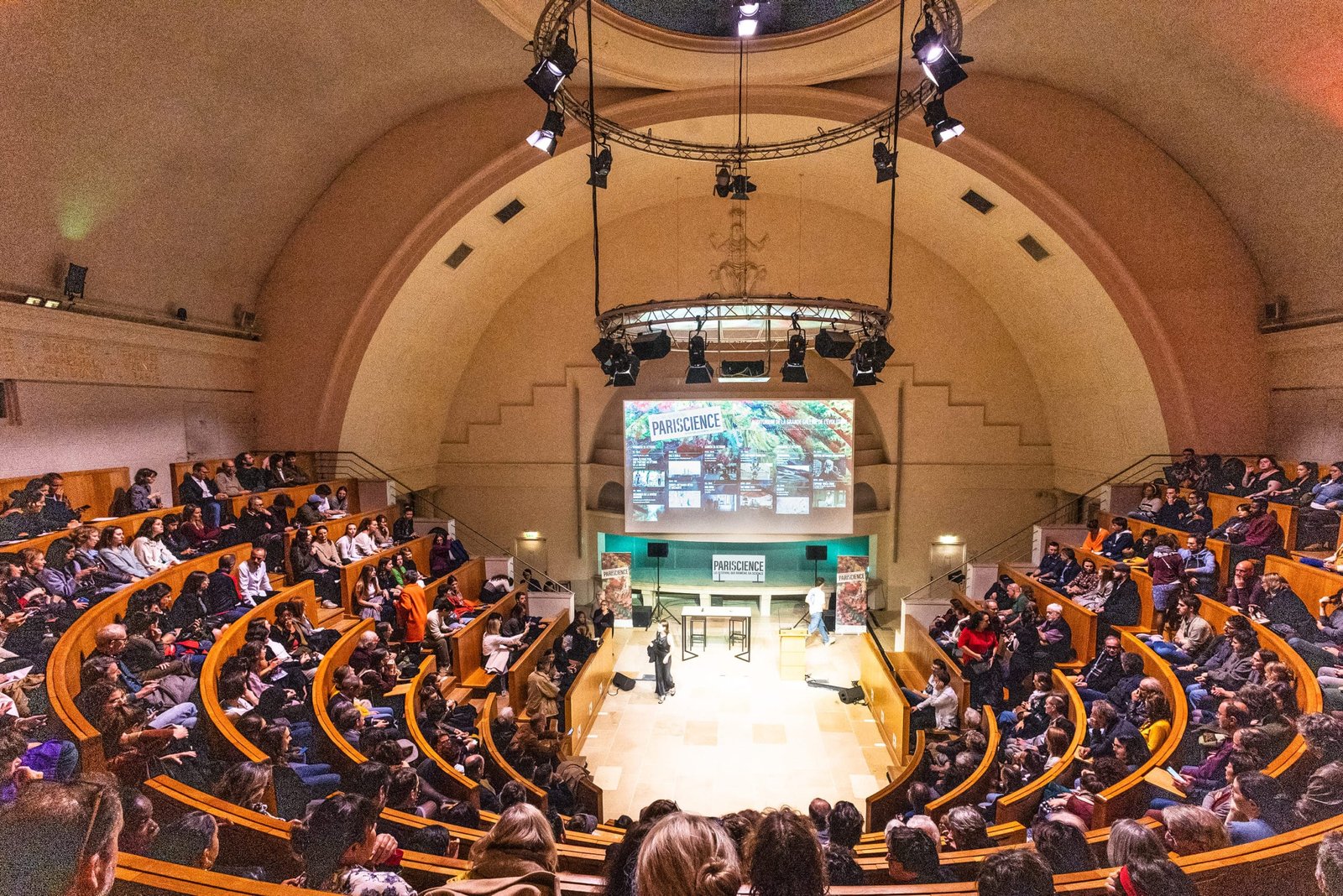
The closing ceremony takes place at the grand amphitheatre Verniquet of the Muséum national d’Histoire naturelle, where awards connected with the school juries are also presented.
Festival rules
Visitors should follow the conditions established by Pariscience and the individual host venues.
Important points include:
- General-public festival screenings are free, but reservations are recommended.
- School participation requires advance registration.
- Some special partner screenings may have separate admission charges.
- Professional sessions are identified separately in the Agora programme.
- Certain educational sessions are restricted to specified school levels.
- Online school sessions are available only to participating and selected classes.
- Visitors should check the individual session page for accessibility information.
- Film-production submissions are subject to the festival’s official competition rules.
- Films submitted for the 2026 competition must comply with the eligibility requirements in the official call for films.
For filmmakers, the official 2026 regulations specify that submitted films must have been produced in 2025 or 2026. The competition accepts multiple forms and genres of scientific audiovisual work, while separate rules apply to different competitions and juries.
The festival also photographs and films its activities for communication and audiovisual reporting purposes, as stated in its ticketing information.
How to get there
Pariscience is held at several venues in Paris, with the Muséum national d’Histoire naturelle and Institut de physique du globe de Paris serving as principal partners. The IPGP school venue is at 1 rue Jussieu, 75005 Paris.
The 5th arrondissement location places the school programme within central Paris and makes the IPGP accessible from several Metro and RER connections.
Visitors attending general-public sessions should check the individual screening page before travelling because the festival uses more than one venue. The official programme identifies the location associated with each session.
For special events outside the main Paris programme, such as sessions at Synchrotron SOLEIL or Le Cadran d’Évreux, visitors should plan separate transport arrangements.
Public transport & parking
Public transport is the practical way to reach the central Paris festival venues. The IPGP is located on rue Jussieu in the 5th arrondissement, near the Jardin des Plantes and the university and scientific institutions of the Latin Quarter.
Visitors can use Paris Metro, RER, bus and other public-transport services to reach the central festival area. Because Pariscience uses multiple venues, the exact public-transport route depends on the screening selected.
For drivers, parking in central Paris can be more complicated than using public transport. Visitors arriving by car should check current parking restrictions and paid parking availability around the specific venue before travelling.
The school programme’s use of locations outside central Paris, including Synchrotron SOLEIL and Le Cadran d’Évreux, means that school groups travelling to those activities must follow the transport arrangements provided with their registration.
Accommodation areas
Visitors attending the general-public programme can stay in central Paris districts close to the Muséum national d’Histoire naturelle and the IPGP. The Latin Quarter, Jardin des Plantes area and neighbouring 5th arrondissement provide convenient access to the principal scientific venues.
Other central districts can also work well because the Paris public-transport network makes it possible to travel between neighbourhoods and festival locations.
For visitors planning to attend several screenings, accommodation close to a Metro or RER station can simplify travel, especially when sessions are scheduled at different venues.
School groups generally participate through organized educational arrangements rather than arranging ordinary festival accommodation individually. Teachers and participating schools should follow the logistical information supplied after registration.
Food & dining
The festival venues are surrounded by the restaurants, cafés, bakeries and food outlets of central Paris. The Jardin des Plantes and Latin Quarter area provide numerous dining options within walking distance of the IPGP and Muséum.
Visitors attending several screenings can plan meals between sessions rather than relying on food services inside the festival venues.
The central location also makes it possible to combine a Pariscience visit with the broader cultural and scientific attractions around the Jardin des Plantes and Latin Quarter.
For school groups, meal arrangements depend on the participating school’s schedule and the specific venue. The festival’s educational information focuses primarily on screenings, scientific encounters and learning activities rather than providing a dedicated festival meal programme.
Accessibility
Accessibility is incorporated into Pariscience’s programming, including dedicated sessions that are identified as accessible to deaf and hard-of-hearing audiences. The official programme allows visitors to filter sessions using accessibility information.
The festival’s educational programme also provides online access for selected sessions. The organizers state that 15 school sessions can be followed online, allowing participating classes from across France to watch the film and then interact with the scientific or film-team guests through an online chat.
This online model is particularly important for classes that cannot travel to Paris. It allows pupils to participate in the discussion rather than simply watching a recorded film.
Visitors with specific mobility, hearing or other accessibility requirements should consult the individual venue and session information before attending because arrangements can vary between locations.
Best screenings to attend
Science-film enthusiasts can explore the general-public programme through its wide range of subjects rather than concentrating on one scientific field.
For wildlife and biodiversity, Mission Lavia, les mystères des chauve-souris d’Afrique, Weeping Rocks, Wild Inside and The Forest Code offer different approaches to animal behaviour, biodiversity and relationships between humans and the natural world.
For climate and environmental subjects, Après les glaciers, Glaciers, enquête sur une disparition, The Lake, The Weight Of The World and Déchets toxiques : une bombe sous nos pieds address different aspects of environmental change, scientific research and human responses.
Visitors interested in medicine can consider Les Trésors oubliés de la médecine arabe, Dans mon ventre and Teenage Life Interrupted.
Technology-focused visitors can explore Techplomacy, while space enthusiasts can look at the school programme’s The Endless Frontier and sessions connected with space science and research.
The student and web-video competitions provide a different experience for visitors interested in new forms of science communication.
Previous year’s highlights
The previous edition was the 21st edition of Pariscience. The official archives record a school programme and a general-public programme, with the festival operating both online and in physical venues.
The 2025 school programme attracted 3,769 participants, representing a 22% increase compared with the previous year. The organizers reported 50% of participating classes coming from outside the Île-de-France region and participation from 21 of France’s 30 academies.
The school programme also included 1,356 participants in the school-jury projects, while the educational activities involved classes from rural areas as well as schools in priority education and urban-policy areas.
The 2025 awards included the Prix Empreinte, Grand Prix AST–Ville de Paris, Prix Grand Écran, Prix Étudiant, Prix Buffon, Prix UPSIDE, Prix du Public, Prix ADAV and E-toiles de Science, alongside the school jury prizes.
The 2025 Grand Public awards recognized films including De la guerre froide à la guerre verte, Anthropocène, l’implacable enquête, Faire Corps, How Deep Is Your Love, Sally and Cap Corse, le mystère des anneaux.
Official tickets & accreditation
The official Pariscience website is the main source for reservations, programme updates and access information. The festival states that its regular screenings are free and recommends reserving seats in advance.
School groups must complete the required pre-registration process. The school festival is completely free, but registration is mandatory because places can fill quickly.
For the general public, visitors can use the official programme and ticketing pages to reserve available sessions. Most festival screenings do not require payment, while selected partner events can be separately ticketed.
Filmmakers and professionals have separate procedures. The 2026 call for films required entry fees of approximately $45.42 for the early registration rate and $56.78 for the regular rate, while short films under 20 minutes had a special entry fee of approximately $5.68. These fees applied to film submissions rather than audience admission.
Professional activities and accreditation should be checked through the official Pariscience professional information and Agora programme.
Official Pariscience website and programme (https://pariscience.fr/)
Tickets Sell Out
in Minutes
Maps
Contact
Video
FAQ's
What is Pariscience International Science Film Festival?
Pariscience is an international festival dedicated to scientific films and science communication through cinema and audiovisual media. Its programme includes documentaries, short films, animation, fiction, web videos and other formats covering a wide range of scientific subjects. Screenings are designed to encourage discussion between audiences, scientists and film teams.
Are Pariscience screenings free to attend?
The official festival programme states that its regular screenings are free, with reservations recommended. The school programme is also completely free, although schools must complete the required registration process before participating. Certain special partner screenings can have separate admission arrangements, so visitors should check the individual session information.
Where does Pariscience take place?
The festival uses several scientific and cultural venues, with the Muséum national d'Histoire naturelle and Institut de physique du globe de Paris among its principal partners. School activities also take place at Synchrotron SOLEIL, Université Paris Cité, Le Cadran d'Évreux and online. The individual programme page should be checked for the exact venue of each session.
What subjects are covered by the festival films?
Pariscience covers a very broad range of scientific subjects, including biodiversity, climate change, medicine, neuroscience, astronomy, artificial intelligence, technology, archaeology, geology and environmental research. The 2026 programme includes films about glaciers, volcanoes, marine life, medical history, scientific research, digital technology and relationships between humans and other species.
Does Pariscience offer activities for school students?
Yes. The school programme is specifically designed for different educational levels, from primary school through secondary education. Sessions combine films with discussions involving scientists and film professionals, while selected sessions can also be followed online by participating classes. The festival also runs school jury projects that allow pupils to evaluate films and take part in science and image-education activities.